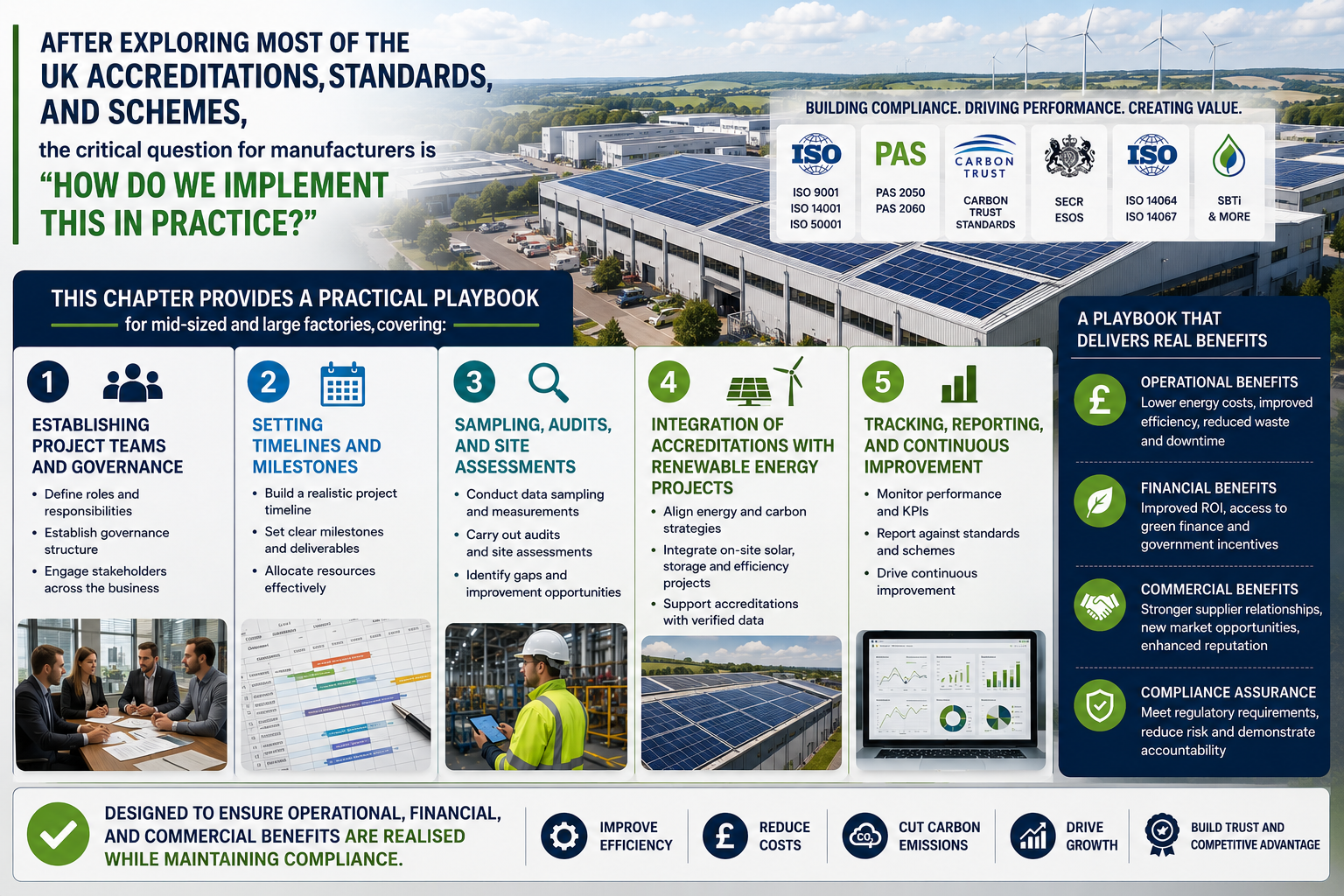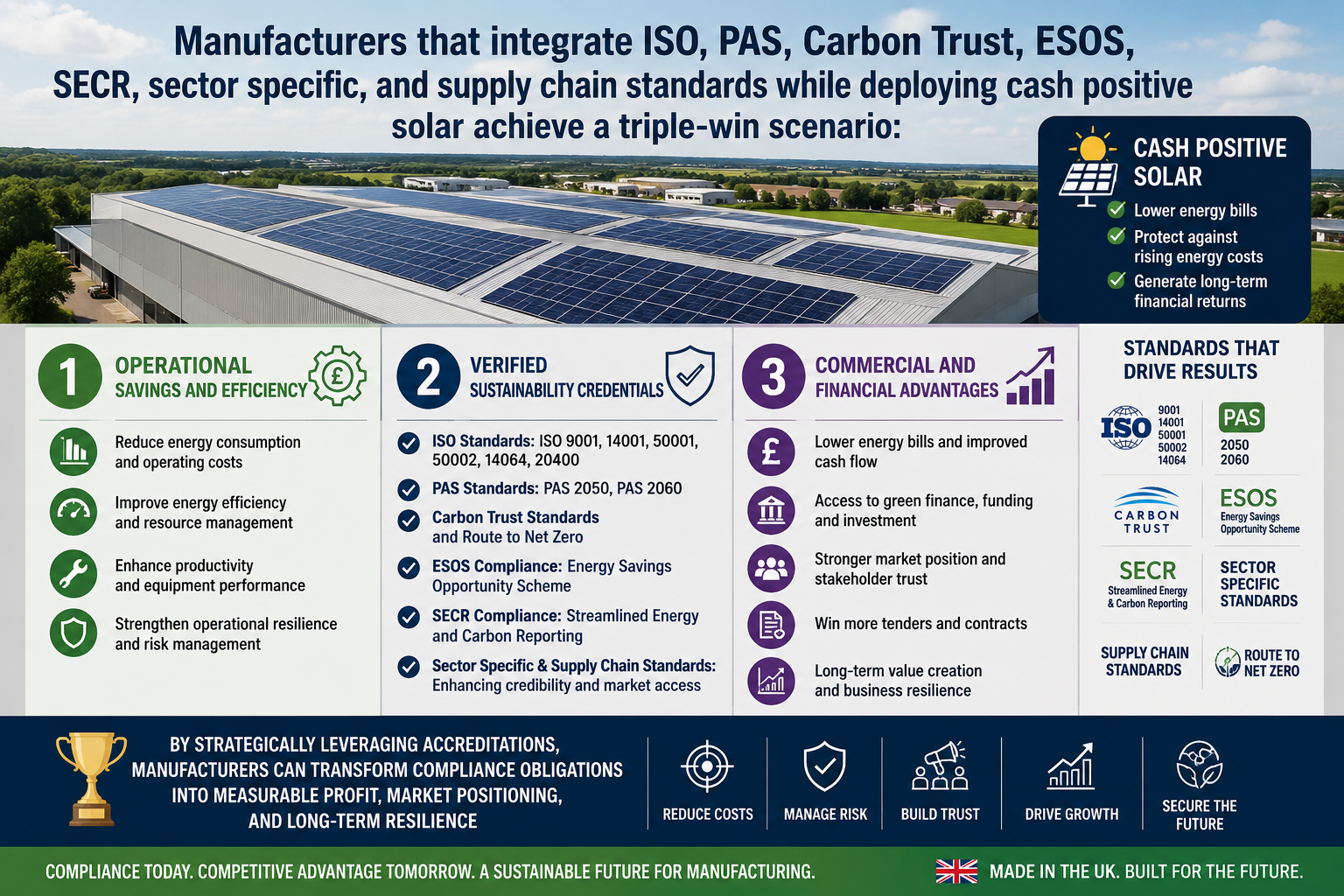
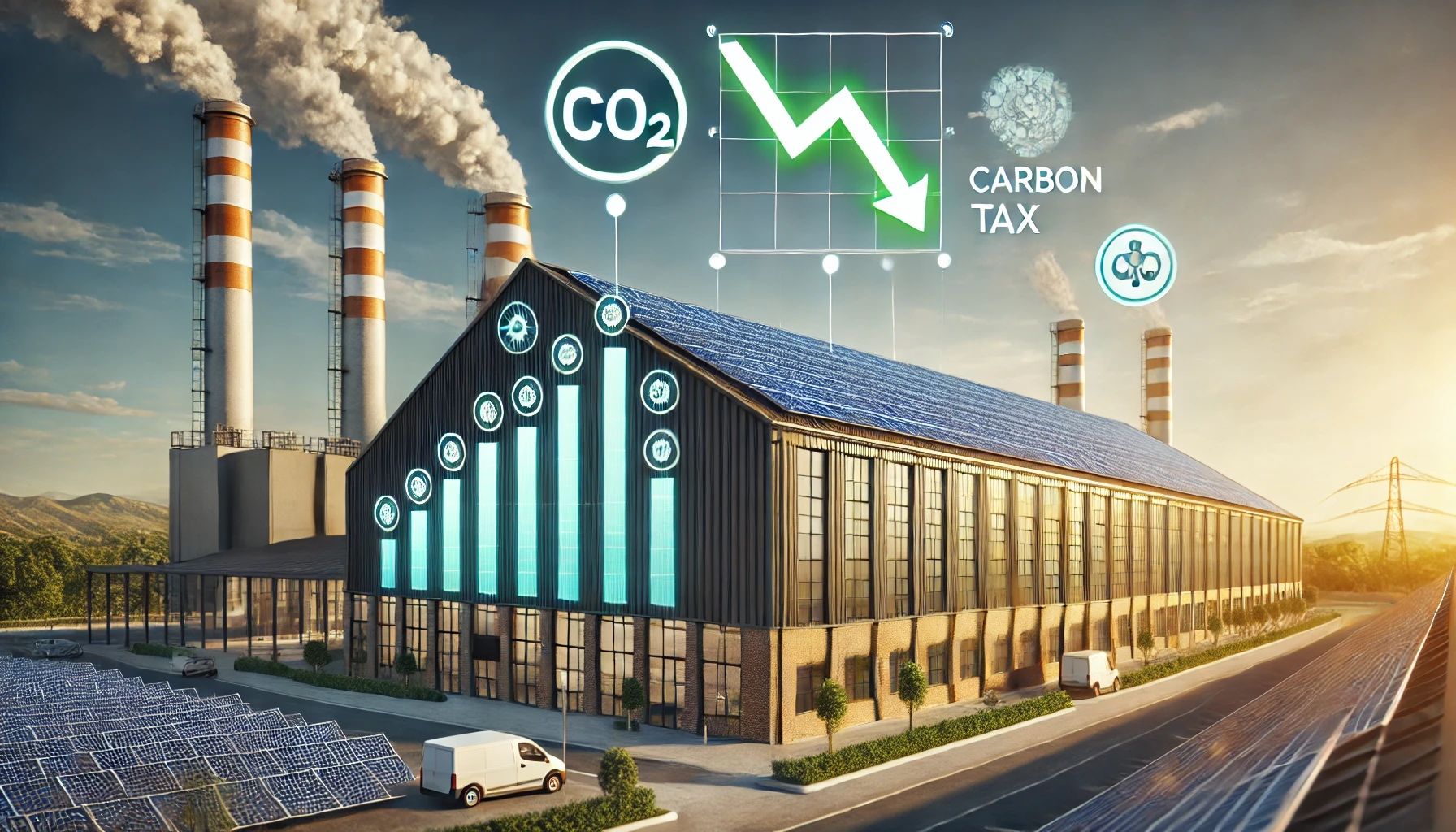
Many factory owners are focused on today’s electricity prices – but what about tomorrow’s regulations?
Carbon taxation, emissions taxes, and mandatory sustainability disclosures are no longer distant threats.
They’re already being introduced across Europe and are increasingly likely to affect UK manufacturers in the coming years.
The good news?
Installing solar now isn’t just a smart way to cut costs – it’s a proactive step to protect your business from future carbon taxation penalties.
The Rise of Carbon Taxation
Governments around the world are implementing financial mechanisms to reduce industrial emissions.
These include:
✅ Carbon taxation
✅ Emissions trading schemes (ETS)
✅ Border carbon adjustments (for exports/imports)
✅ Mandatory reporting and offsetting requirements
While the UK’s current Carbon Price Support mechanism primarily targets power generators, many experts predict broader taxes on high-energy industrial users could arrive soon – particularly those failing to decarbonise voluntarily.
How Solar Reduces Your Carbon Exposure
Installing solar panels directly reduces your reliance on carbon-intensive grid electricity.
For example:
✅ A factory spending £25,000/month on grid electricity is typically responsible for around 600 tonnes of CO₂ per year
✅ A solar system offsetting 70% of that usage can reduce emissions by over 400 tonnes annually
That’s not just good for the environment – it’s a measurable risk reduction if carbon pricing arrives.
Potential Future Carbon Costs
Let’s consider a hypothetical carbon tax scenario:
💡 £50 per tonne of CO₂ (a mid-range projection based on EU trends)
For a factory with 400 tonnes of avoidable emissions, that’s £20,000 per year in future carbon costs – unless mitigated.
Installing solar now:
✅ Reduces your emissions
✅ Minimises your future liability
✅ Sends a strong ESG signal to stakeholders
Your Customers Are Watching Too
More major buyers – especially multinationals – now require suppliers to disclose emissions and show progress toward decarbonisation.
A solar-powered factory makes you more competitive in procurement, and could:
✅ Help secure long-term contracts
✅ Reduce compliance costs
✅ Strengthen ESG reports and carbon disclosures
Future-Proofing = Smart Business
There’s a reason forward-thinking manufacturers are acting now:
✅ Solar protects your margins today
✅ And shields you from compliance and taxation pressures tomorrow
Final Thought: Prepare Now, Avoid the Pain Later
If you’re only focused on energy bills, you’re looking in the rear-view mirror.
Smart manufacturers are scanning the horizon – and they see carbon taxation as inevitable.
Install solar today, and you’re not just making your factory cleaner and cheaper to run – you’re buying insurance against an emissions-based future.
And the best part?
✅ You don’t need to pay upfront
✅ You can be immediately cash positive
✅ You reduce CO₂ from day one
Solar is your carbon taxation hedge. So use it.