
For factory owners navigating the Energy Savings Opportunity Scheme (ESOS), the audit process can feel like a box-ticking exercise.
But behind the paperwork lies an opportunity to transform how your factory uses energy.
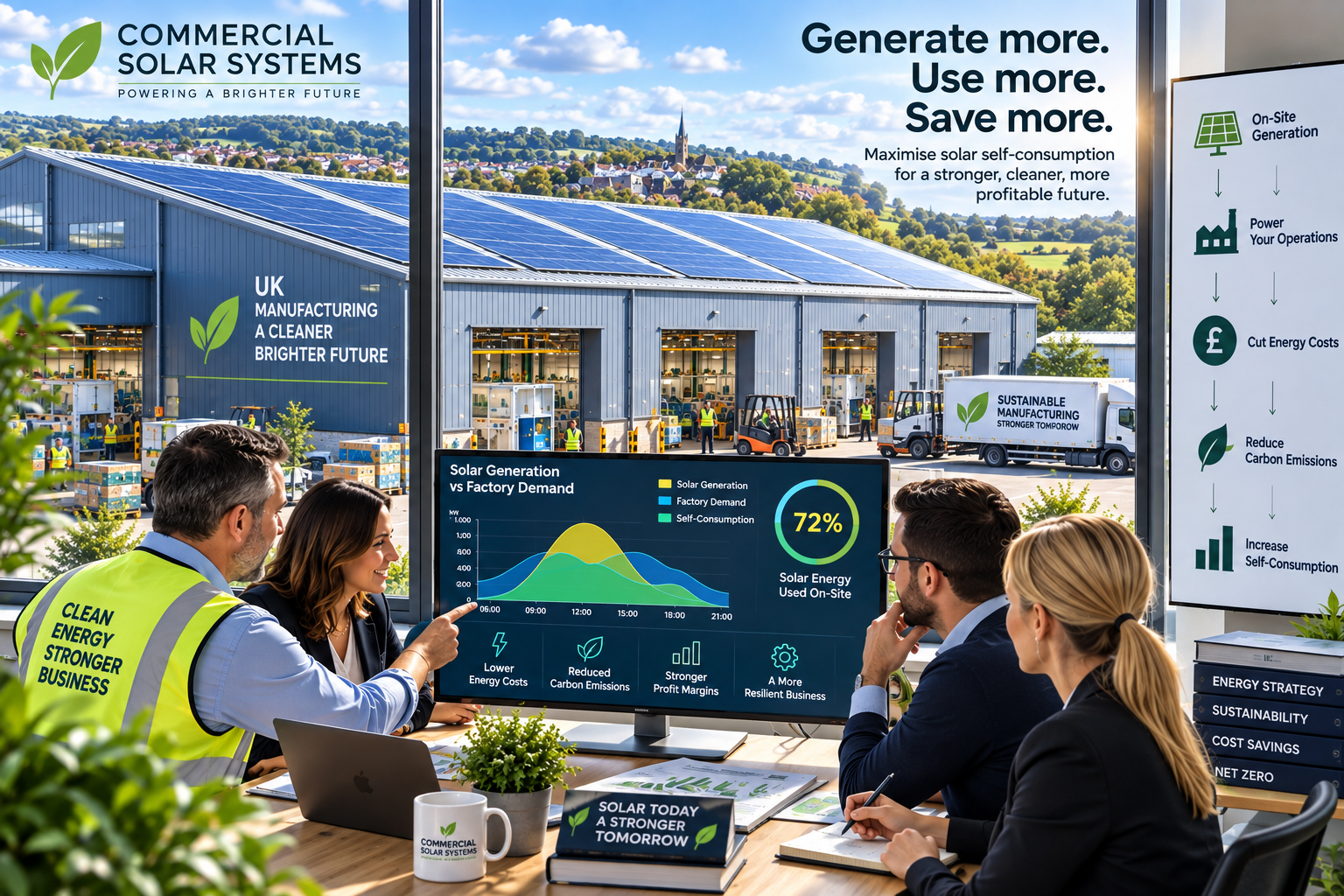
One of the most effective ways to act on ESOS recommendations is by installing rooftop solar power – a solution that doesn’t just meet compliance requirements but generates lasting financial and environmental benefits.
ESOS and the Energy Challenge
ESOS audits examine energy use across your buildings, processes, and transport.
The final report highlights areas where you could cut consumption and reduce costs.
While recommendations often include low cost measures like upgrading lighting or improving insulation, the largest and most sustainable savings usually come from renewable energy adoption.
That’s where solar power steps in.
Why Solar Power Fits Perfectly With ESOS
✅ Direct Reduction in Grid Electricity:
Solar panels generate power on-site, cutting your reliance on the grid and reducing kWh consumption – the very metric ESOS focuses on.
✅ Long-Term Savings:
Once installed, panels generate free electricity for decades, turning a short-term audit recommendation into a long-term financial advantage.
✅ Carbon Reporting:
While ESOS doesn’t mandate carbon tracking, Phase 3 encourages it. Solar directly lowers Scope 2 emissions, helping factories stay ahead of the curve.
The Cashflow Advantage
A common misconception is that solar power requires a huge upfront investment.
In reality, modern finance models – such as asset finance or solar-as-a-service rentals – allow factories to install panels with no capital outlay.
The repayments are structured so that the savings on your electricity bill are greater than the cost of finance, making the project cashflow positive from day one.
In other words, solar power doesn’t just reduce costs – it creates an immediate profit.
Compliance as a Launchpad
ESOS doesn’t force businesses to act on recommendations, but ignoring them is like leaving free money on the table.
By implementing solar, factories show regulators they are serious about energy efficiency while simultaneously future-proofing their operations against volatile energy prices.
The decision isn’t just about compliance – it’s about competitiveness.
The Bigger Picture
Beyond the audit, solar installations also prepare factories for broader sustainability reporting, investor expectations, and even B Corp certification.
What starts as a legal obligation quickly becomes a springboard into stronger profitability and a more resilient brand.
In Summary
Rooftop solar power helps factories meet ESOS requirements by:
✅ Cutting grid electricity use
✅ Reducing costs and carbon emissions
✅ Turning compliance into a profit-generating opportunity
✅ Preparing the business for future sustainability demands
ESOS may be the nudge, but solar is the smart response.