Like ISO 9001, ISO 14001 follows the Annex SL high-level structure, enabling seamless integration into existing manufacturing management systems.
Shared clauses include:
1. Context of the organisation
2. Leadership and policy
3. Planning and risk management
4. Operational control
5. Performance evaluation
6. Improvement
For manufacturing companies already certified to ISO 9001, this means:
1. Shared document control
2. Combined internal audits
3. Integrated management reviews
This significantly reduces the incremental cost and effort of adding ISO 14001.
Environmental Aspects and Impacts: The Core of ISO 14001
The heart of ISO 14001 is the identification and evaluation of environmental aspects and impacts.
An environmental aspect is:
Any element of an organisation’s activities, products or services that can interact with the environment.
In manufacturing, common aspects include:
1. Electricity and gas consumption
2. Waste generation and disposal
3. Water usage
4. Emissions to air
5. Chemical storage and handling
Impacts describe the environmental consequences of those aspects.
Manufacturing companies must:
1. Identify all relevant aspects
2. Assess their significance
3. Control and monitor those deemed significant
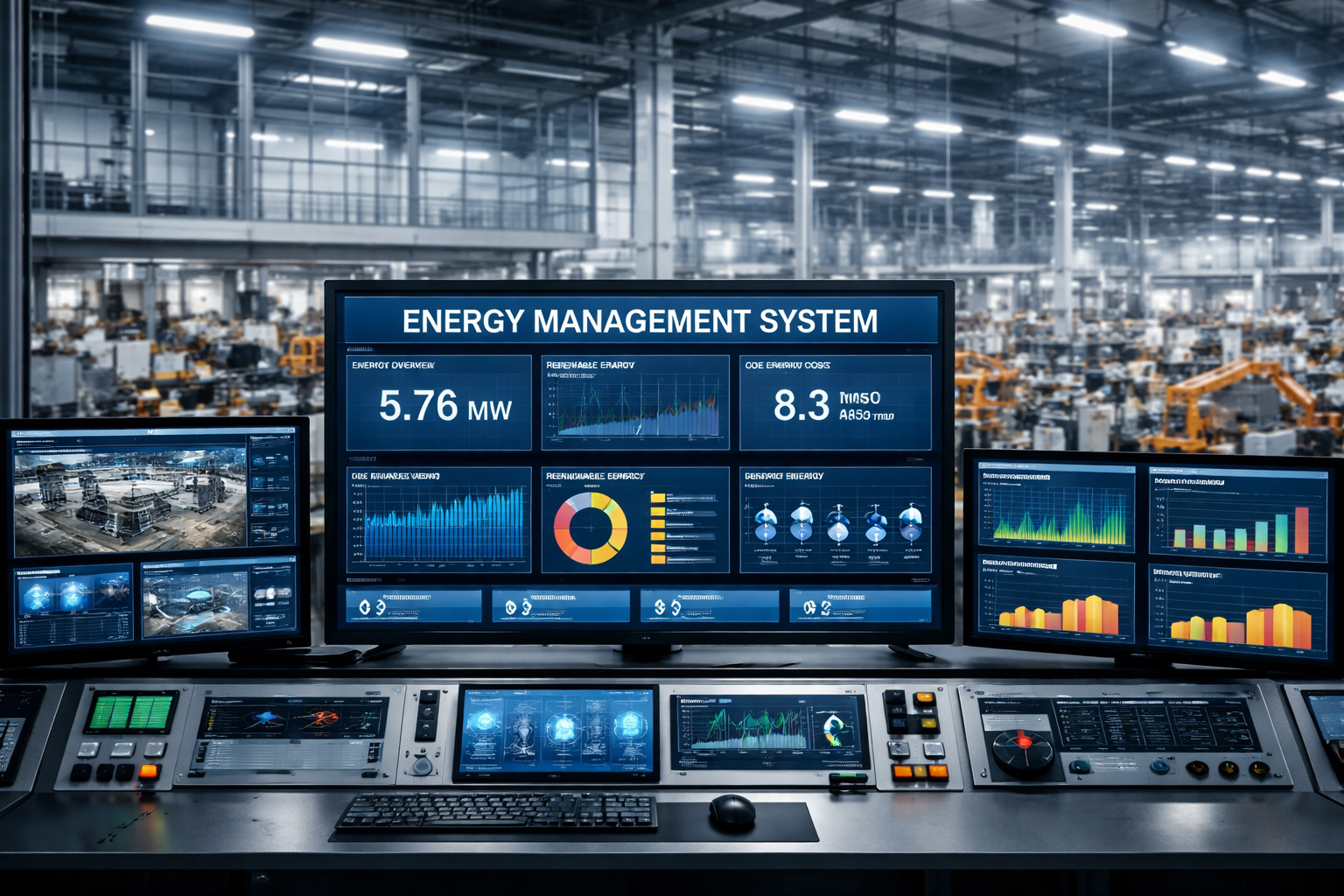
Energy use almost always ranks as a significant aspect, which is why ISO 14001 naturally leads toward energy management and carbon reduction.
If you’d like to learn more about ISO 14001, and how immediate cash positive solar panels can help manufacturing companies with energy management and carbon reduction, please contact us and request complementary copies of subject guide books – ‘Watts up with Solar’ and ‘Profit meets Planet’.