
One of the most powerful ways accreditations affect manufacturers is through procurement.
Increasingly, buyers:
1. Use accreditations as pass/fail criteria
2. Assign scoring weight to environmental and energy performance
3. Require verified carbon data as part of bid submissions
In many cases:
1. Price is only evaluated after accreditation thresholds are met
2. Lack of certification prevents bids from being considered
This has two major implications:
1. Accreditations protect revenue as much as they enable growth
2. Investment in compliance can deliver direct commercial return
Manufacturers that understand this dynamic treat accreditations as sales enablers, not administrative burdens.
Beyond customers, accreditations increasingly influence:
1. Access to finance
2. Lending terms
3. Insurance premiums
Banks and investors are under pressure to:
1. Assess climate and transition risk
2. Demonstrate responsible lending
3. Reduce exposure to poorly managed energy and carbon risks
Accreditations provide:
1. Third party assurance
2. Structured risk management evidence
3. Measurable improvement pathways
Manufacturers with strong accreditation portfolios often find:
1. Easier access to funding for capital projects
2. Greater confidence from lenders
3. More constructive discussions around energy investments
This dynamic is particularly relevant when financing on-site energy assets such as solar.
Accreditations do not just affect external perception. They shape internal operations.
Well implemented standards:
1. Clarify roles and responsibilities
2. Improve data quality
3. Drive consistency across shifts and sites
4. Support continuous improvement
Poorly implemented standards:
1. Create paperwork without insight
2. Alienate operational teams
3. Fail to deliver real savings
The difference lies in whether accreditations are:
A: Treated as box ticking exercises
B: Or embedded into how the factory actually runs
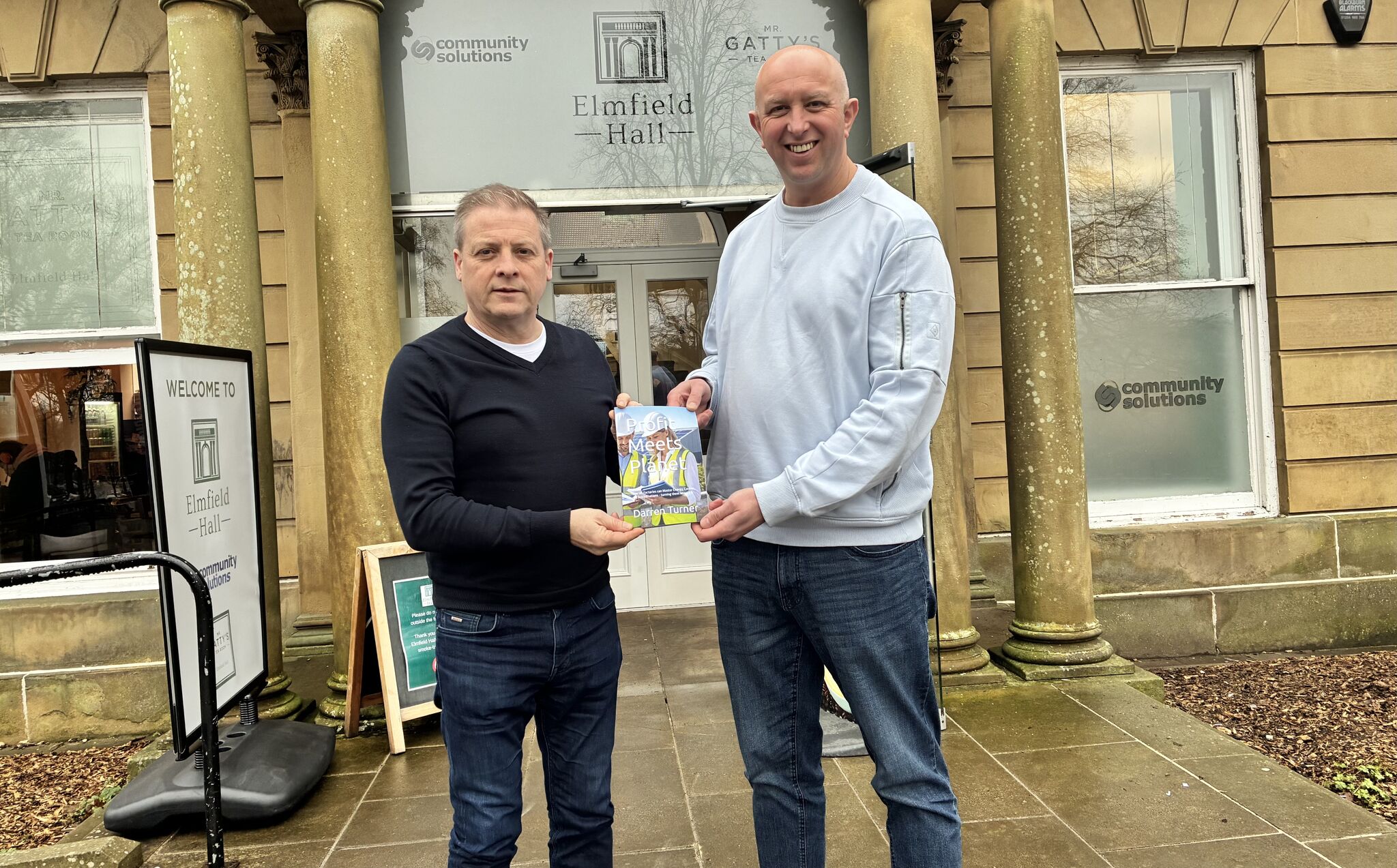
And it just not factories who can benefit – charities such as Community Solutions in Hyndburn can too – COO Chris Emmerson received a complementary copy of our new book to help guide them accordingly.