
Industrial units are energy-intensive environments, often incurring significant electricity costs.
Installing solar panels is a practical and sustainable solution to reduce energy expenses and carbon emissions.
Solar energy enables companies to generate their own electricity, reducing reliance on the grid and protecting against volatile energy prices.
However, the upfront cost of installation can be a barrier for many businesses.
This is where asset finance comes into play.
With clever financial modeling, companies can install solar panels without the need for upfront capital. Asset finance spreads the cost of the system over manageable monthly payments.
In many cases, the cash savings generated by the reduced electricity bills exceed the monthly finance fee, making the investment cash-flow positive from day one.
This means companies can immediately benefit from lower energy costs without impacting their budget.
Once the solar panel asset finance agreement is fully repaid, typically over a few years, businesses reap the full financial benefits of the solar panels.
With no monthly payments, the electricity savings directly boost the bottom line.
Additionally, solar panels can increase the value of the property and improve its energy efficiency rating, further enhancing long-term returns.
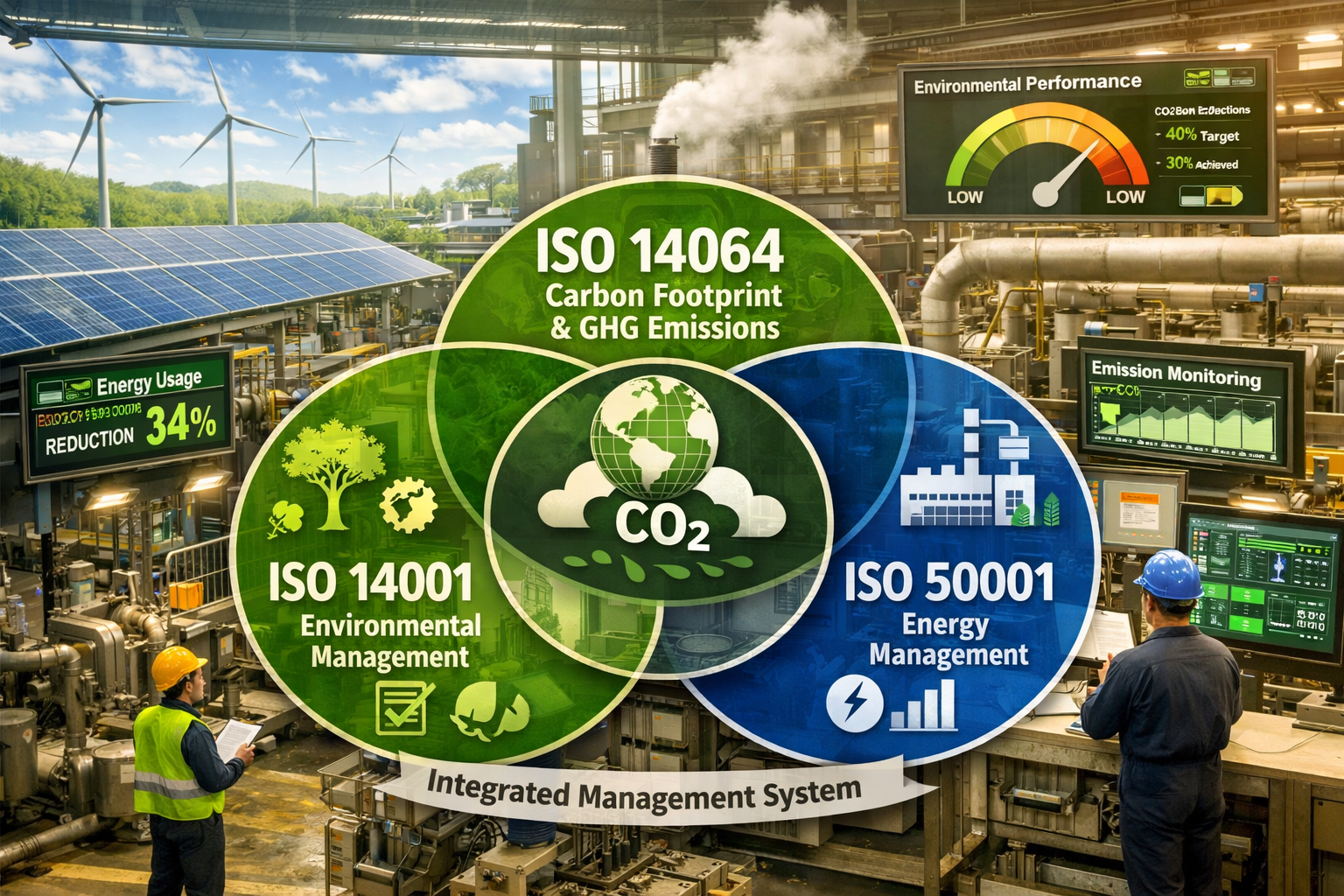
Beyond financial gains, solar power significantly reduces a company’s carbon footprint, aligning with sustainability goals and improving environmental performance.
As customers and stakeholders increasingly prioritise green practices, adopting solar energy can also enhance a company’s reputation.
For industrial units, solar panels offer a win-win solution: immediate cost savings through asset finance and long-term environmental and financial advantages.
By making solar energy accessible and affordable, companies can achieve both economic resilience and sustainability.