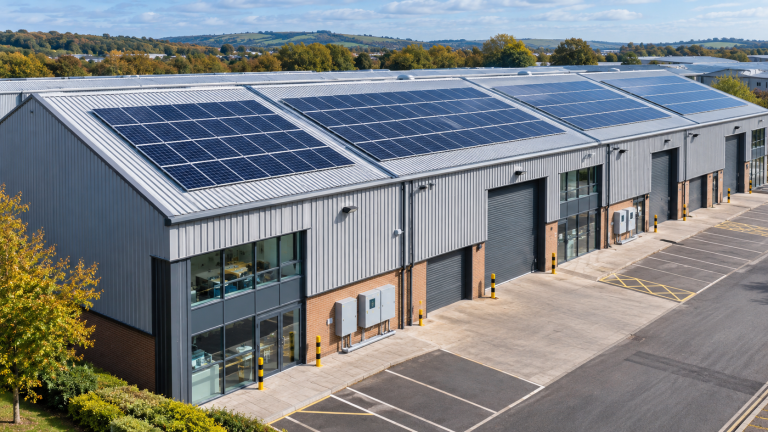
Two rooftop solar quotations can look similar on headline system size while delivering very different outcomes for a UK factory. One may assume high onsite electricity use, exclude roof remedial works or omit grid-connection costs. Another may include monitoring, warranties and a realistic commissioning programme. The right comparison is therefore not simply the lowest price per installed kilowatt.
This practical procurement checklist is designed for manufacturing finance directors, operations managers and facilities teams. It complements our solar panels for factories guide by concentrating on how to evaluate competing proposals before placing an order.
1. Give every bidder the same site information
Provide a common brief: 12 months of half-hourly electricity data where available, recent bills and tariff information, production shift patterns, site plans, roof drawings, known roof defects, available electrical single-line diagrams, and any planned machinery or building changes. Explain which production areas must remain operational during installation. Without a consistent brief, differences in quoted savings may reflect different assumptions rather than a better design.
2. Compare useful electricity, not just panel capacity
Ask each bidder for annual generation estimates in kWh, the weather and loss assumptions behind them, estimated onsite consumption, expected exports and any curtailment. Require a monthly breakdown and an explanation of how generation was matched to actual factory demand. A larger array is not automatically a better investment if much of its output is exported at a lower value than avoided grid imports. Our half-hourly demand and sizing guide explains why the operating profile matters.
3. Identify exclusions and provisional sums
Request a clear schedule of inclusions and exclusions for roof surveys, structural calculations, access equipment, scaffolding, temporary edge protection, roofing repairs, electrical switchgear, metering, trenching, network applications, design approvals, testing and commissioning. Ask which figures are fixed and which could change after surveys. Where a roof is near the end of its service life, assess whether replacement should happen before solar installation rather than paying to remove and reinstall panels later.
4. Clarify grid connection and export assumptions
Confirm who will submit the distribution network operator application, which connection route applies, who bears any reinforcement costs and whether export limitations affect the business case. A quote that assumes unrestricted export should not be compared directly with one designed around a capped connection. See our factory solar DNO connection guide and export limitation guide for the questions to raise.
5. Assess operational disruption and safety
Ask bidders for a proposed construction sequence, roof access plan, lifting strategy, electrical isolation schedule, fire-safety arrangements and contingency for weather delays. Identify the person responsible for coordinating work around deliveries, shifts and critical production equipment. Require clear handover responsibilities and any planned shutdown windows before signing the contract.
6. Put guarantees and long-term costs on one comparison sheet
Record the proposed panel and inverter makes and models, product warranties, workmanship cover, monitoring access, maintenance responsibilities, expected inverter replacement provisions and response times for faults. Distinguish a manufacturer’s equipment warranty from an installer workmanship guarantee. Compare the total expected ownership cost over a common period, not just the initial installation price.
7. Test the financial model against downside scenarios
Ask each supplier to show assumptions for electricity prices, annual output, panel degradation, self-consumption, export rates, maintenance, insurance and finance costs. Run a sensitivity check with lower onsite consumption, a lower import price and a higher installation cost. If a supplier claims the project is cash-positive from day one, require a monthly cash-flow comparison that includes actual finance repayments and realistic operating costs. Use our commercial solar calculator as an initial illustration, not a substitute for a site-specific proposal.
8. Agree what successful handover looks like
Before awarding the contract, require a commissioning and documentation schedule: test certificates, as-built drawings, grid approval records, warranties, monitoring credentials, operating instructions and named contacts for defects. Agree who will verify production and savings after the system is live. Our factory solar handover checklist can support that discussion.
Questions to ask every shortlisted solar installer
- What information is missing from your current savings estimate?
- Which roof and electrical surveys are included in your fixed price?
- What is your assumed onsite use and how was it calculated?
- Who pays if the DNO requires additional works?
- What work could interrupt production, and for how long?
- Who owns the monitoring data and who responds to underperformance?
- Which warranties are provided by manufacturers and which by your company?
- What evidence will we receive at commissioning and handover?
The procurement decision
A defensible factory solar purchase is based on comparable scope, transparent generation and financial assumptions, clear responsibility for roof and grid risks, and a workable installation programme. Shortlist proposals on those factors before negotiating price. This approach helps protect both manufacturing operations and the long-term return on investment.