In the North West of England, a large food and beverage bottling factory was being squeezed by rising energy costs.
Their 24/7 operation relied on conveyor systems, refrigeration, sterilisation, and bottling lines that consumed vast amounts of power.
By 2025, their monthly electricity bills had soared to £50,000, eating into margins and threatening their competitiveness against overseas producers.
The finance director recalled: “We had reduced waste, we’d streamlined logistics, but energy costs was the one area we couldn’t control. Every spike in prices hit us hard.”
The idea of solar power emerged during a board meeting.
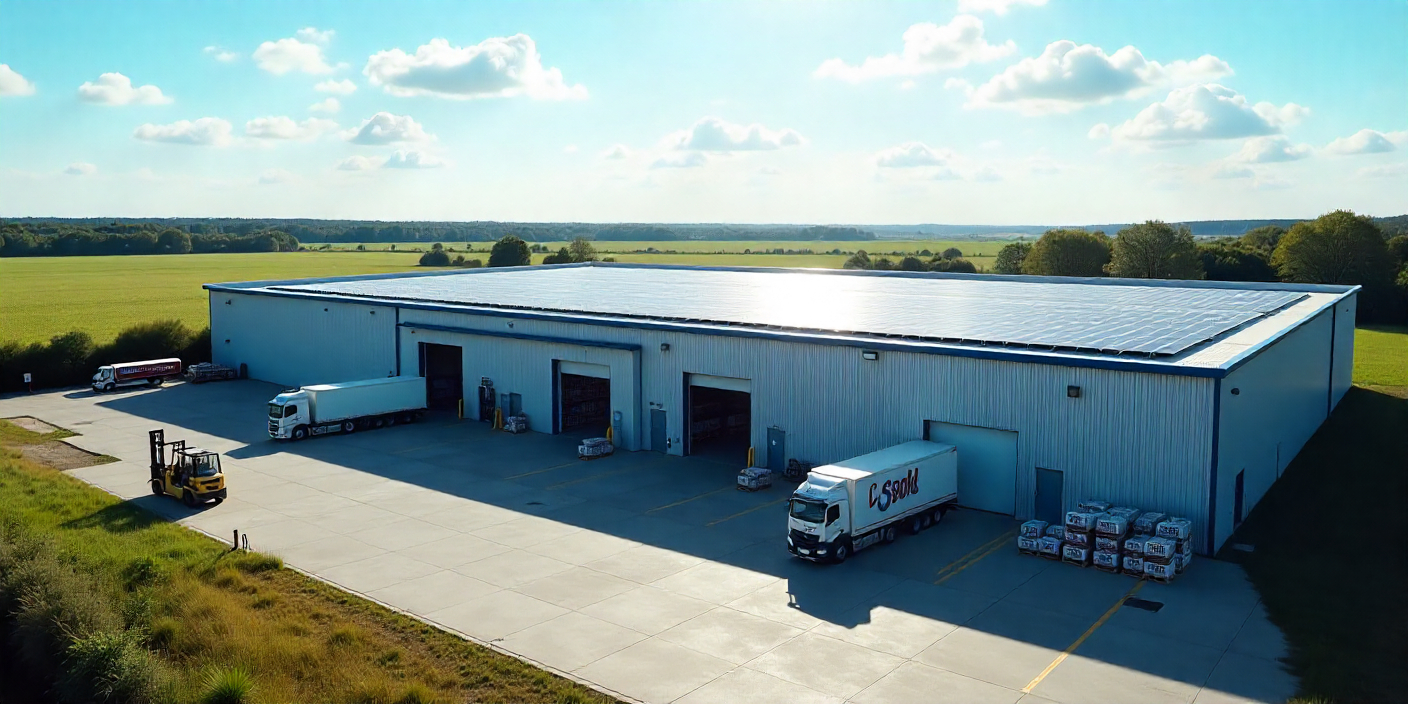
The factory had a huge, unused flat rooftop, easily capable of holding a large solar array.
But the directors initially hesitated, assuming a project of this scale would require over a million pounds upfront – money they needed for plant upgrades and inventory.
That changed when they explored immediate cash-positive asset finance. Instead of paying upfront, the solar system was funded through structured monthly repayments.
The key: those repayments were lower than the equivalent savings on electricity bills, making the project cash-positive from day one.
Installation took just four months.
The new rooftop array began supplying 70% of the plant’s power needs, cutting grid dependency drastically.
Monthly electricity bills fell from £50,000 to £15,000, with finance repayments of £20,000.
The net effect was an immediate £15,000 monthly saving for 5-years – whilst the finance was settled – and £35,000 monthly thereafter, plus protection against unpredictable price hikes.
Over the next 25 years, the bottling plant is forecast to save more than £10 million, while avoiding around 1,700 tonnes of CO₂ emissions.
For a sector under increasing pressure to demonstrate environmental responsibility to supermarkets and retail chains, this step proved invaluable.
Just months after commissioning the system, the factory won a new supply contract with a major UK supermarket. Procurement teams specifically highlighted sustainability credentials as a deciding factor.
The managing director explained:
“Solar didn’t just reduce our energy costs. It positioned us as the kind of supplier supermarkets want to be associated with – reliable, cost efficient, and sustainable.”
Internally, staff pride grew as well. Employees took ownership of the story, sharing the company’s sustainability journey on social media. Recruitment teams noticed younger applicants were more enthusiastic about joining a manufacturer with visible green initiatives.
For finance directors across food and beverage, the message is clear:
With asset finance, solar is not an expense – it’s a cash positive strategy.
By turning unused rooftop space into a power plant, this bottling factory substantially cut energy costs, secured contracts, and built a greener brand for the future.