In Manchester, a busy electronics components manufacturer was feeling the strain of spiralling energy costs.
Their precision assembly lines, cleanrooms, and testing equipment demanded constant, reliable electricity.
By late 2024, monthly bills had climbed to £28,000, eating into margins in a sector already pressured by international competition.
The finance director explained the challenge clearly:
“We compete globally, and margins are tight. Energy costs were the one variable we couldn’t control – and every increase knocked our forecasts off balance.”
Initially, the directors dismissed solar as too capital intensive. They believed it would mean tying up funds better used for product development and expansion.
But then they explored a solar rental system.
With solar rental, the solar provider funded, installed, and maintained the entire system at their own cost.
The factory simply paid a fixed monthly rental fee, which was lower than what they had been paying for the equivalent grid energy.
There was no ownership, no upfront cost, and no maintenance risk – just guaranteed savings from day one.
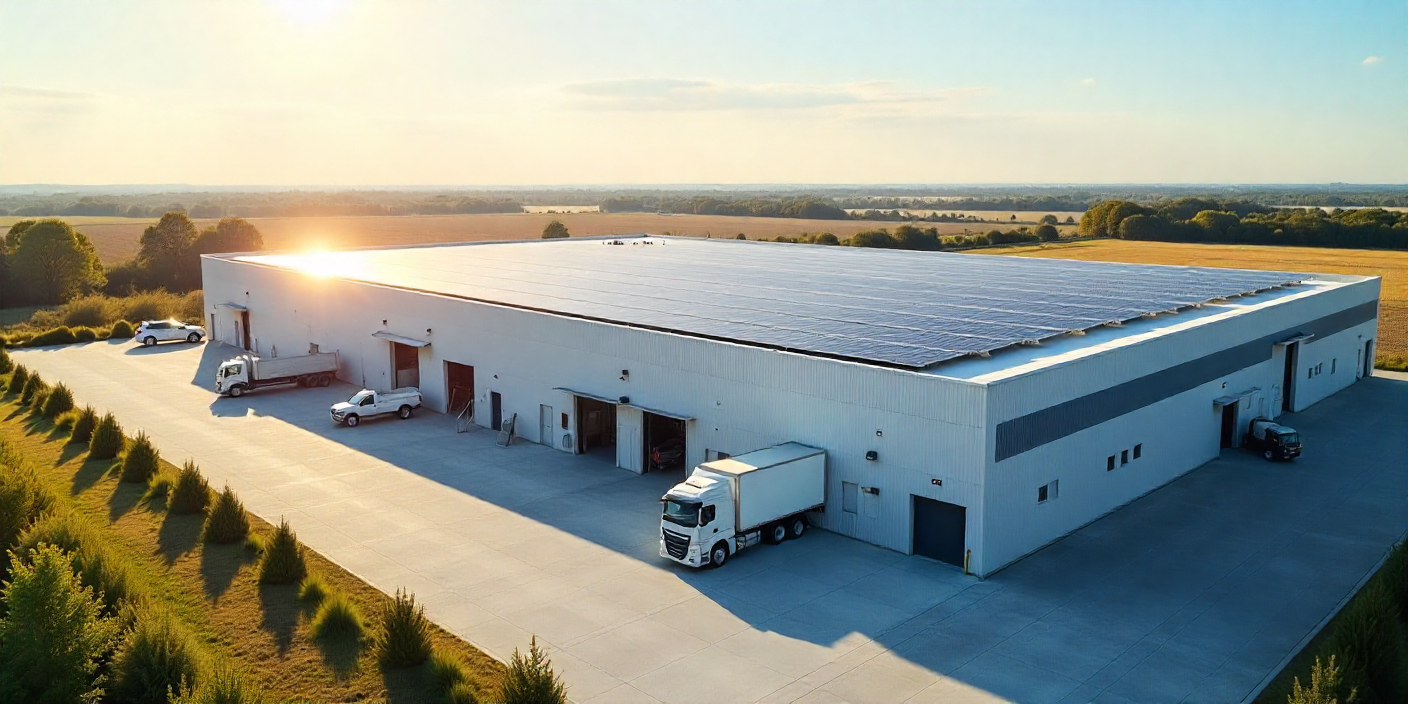
Within 10 weeks, a 700kW rooftop solar system was installed.
From the moment it went live, the factory sourced 60% of its energy demand from its own roof.
Electricity bills dropped from £28,000 to around £11,000, while the rental payment was £10,000.
The net result: an immediate £7,000 saving every month with zero capital outlay.
Over 25 years, the projected lifetime savings – taking into account grid electricity price rises – will be circa £5 million, whilst also avoiding more than 850 tonnes of CO₂ emissions.
But beyond financial stability, the benefits stretched into customer relationships.
Large electronics buyers increasingly require suppliers to meet strict sustainability standards.
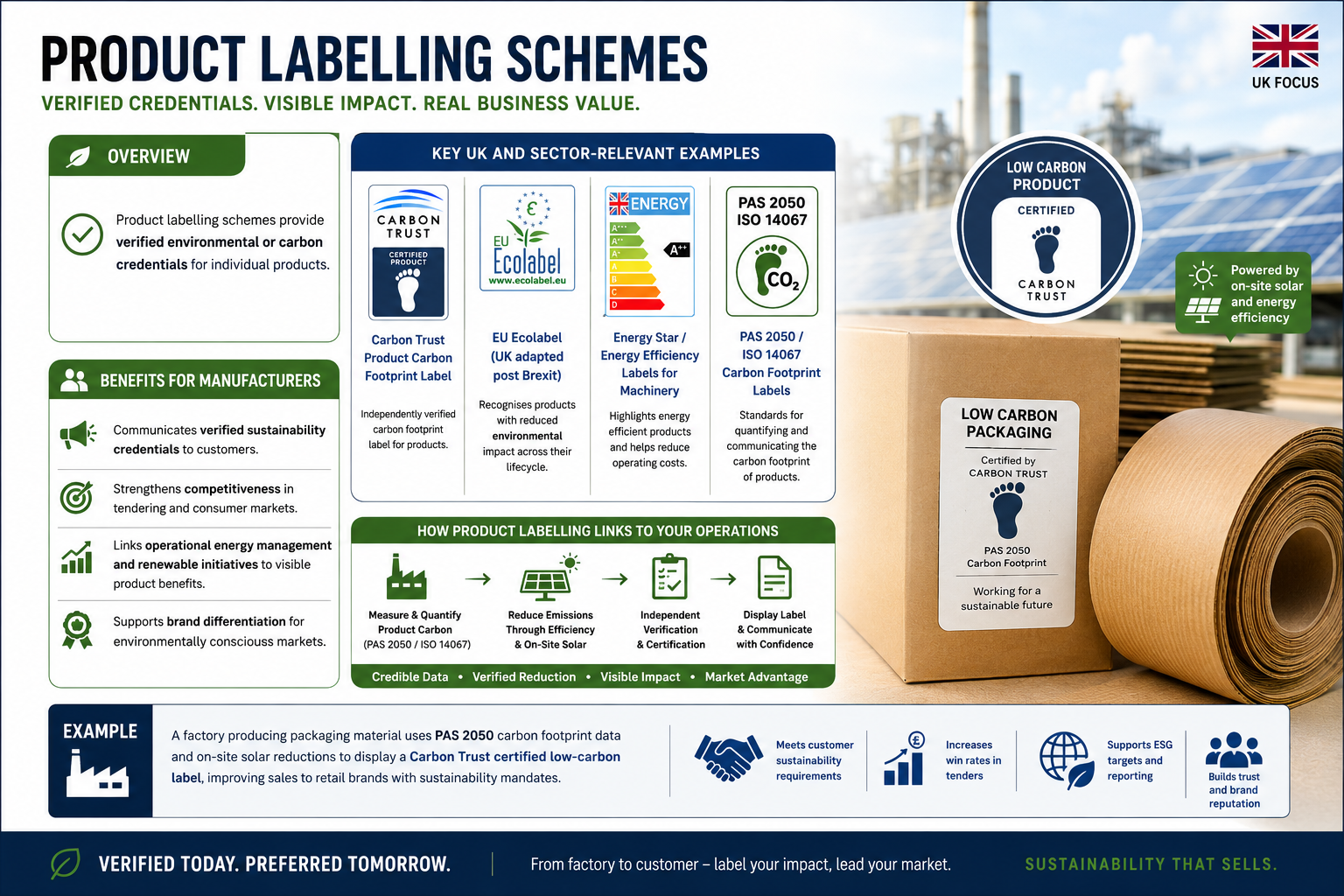
The factory was able to showcase its solar rental project as evidence of a serious carbon reduction strategy.
Within months, they won a contract with a European tech company, with the client noting their green credentials as part of the supplier evaluation.
The managing director summed it up:
“Solar rental gave us the best of both worlds – immediate savings without the capital burden, and a stronger position in the market. It’s reshaped how customers see us.”
For finance directors in electronics manufacturing, the lesson is simple:
You don’t have to choose between liquidity and sustainability. With solar rental, you can secure both.