When the finance director of a large Midlands based food processing factory reviewed the company’s electricity bills in 2023, the numbers were hard to ignore.
Energy costs had more than doubled in three years, with monthly bills often exceeding £25,000.
The business had already invested heavily in automation and cold storage systems, both of which consumed vast amounts of power.
Profit margins were tightening, and the directors faced a stark choice:
‘Either absorb rising costs or find a sustainable way to reduce them.’
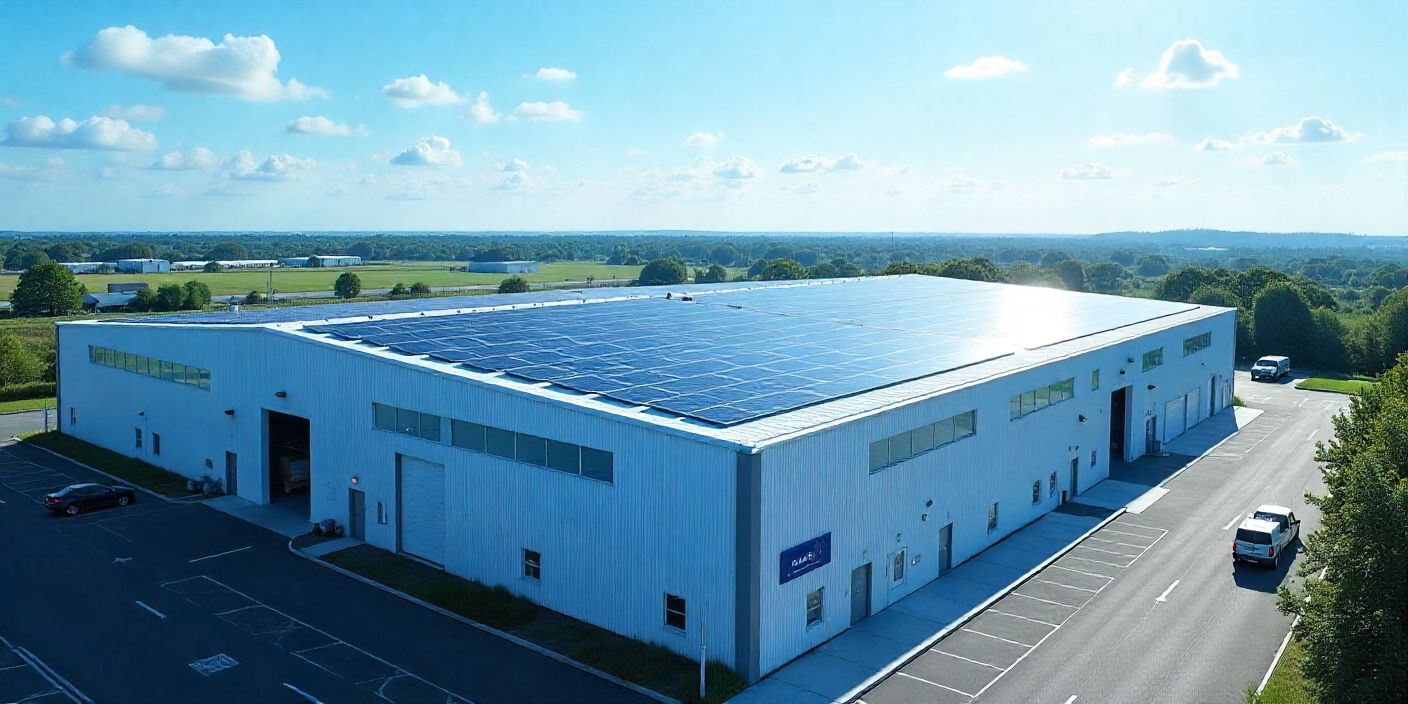
The factory’s rooftop, however, told a different story. Vast, unused, and structurally sound, it provided the perfect space for a solar array.
The managing director initially worried about the capital outlay, as installations of this scale often ran into seven-figure sums.
But the finance team soon discovered an asset finance solution that made the project cash-positive from day one.
Instead of a lump sum investment, the solar system was financed through a fixed monthly payment that came in at 30% lower than the factory’s current electricity spend.
Installation was completed within four months, and from the first day of switching on, the company’s electricity bills dropped significantly.
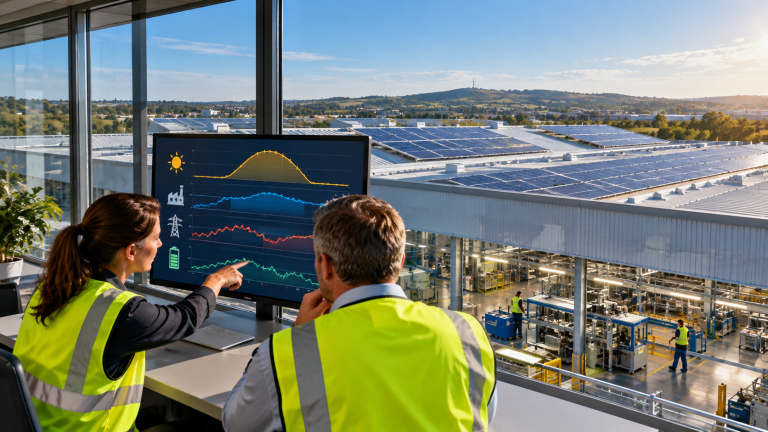
The factory now generated over 65% of its daytime electricity from its own rooftop panels, immediately reducing reliance on the grid.
The combined saving on purchased electricity and the avoided impact of future price rises meant the project paid for itself almost instantly in operational terms.
In the short term, this translated into a net saving of £7,500 per month, cash that could be reinvested into recruitment and new equipment.
Long term, the finance director projected savings of over £3 million across 20 years, alongside a complete hedge against volatile energy prices.
The impact stretched beyond the balance sheet…
Several of the factory’s biggest retail customers had been introducing tougher environmental criteria for suppliers, pushing for lower carbon footprints and proof of green initiatives.
By showcasing their solar investment, the company positioned itself as a sustainability leader in the food manufacturing sector.
Within six months, they secured two major contracts partly due to their demonstrable commitment to reducing emissions.
Today, the managing director views the solar installation not just as an energy solution, but as a strategic growth tool.
“It started as a way to cut costs,” he explained, “but it’s ended up giving us a competitive edge. Our customers care about sustainability, and our solar panels show them we care too.”
This story illustrates a lesson many finance directors across manufacturing are now learning:
‘Solar isn’t just an environmental gesture. With the right financing, it’s a powerful way to unlock immediate cash savings, long-term stability, and new customer opportunities.’
…all this from a roof that was previously doing nothing.