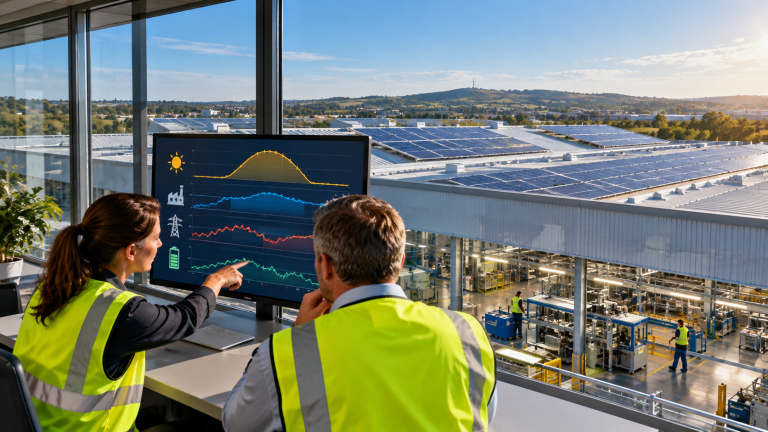

For many factories, sustainability efforts begin as a compliance necessity. But the factories that fully embrace ISO 14001, the global Environmental Management Systems (EMS) standard, quickly discover something far more valuable:
‘environmental improvement drives operational improvement’.
ISO 14001 isn’t about producing paperwork for audits. It’s about embedding a mindset of efficiency, responsibility, and continuous improvement across the entire organisation.
And when factories apply it properly, it becomes one of the most effective pathways to reducing energy waste, lowering costs, and strengthening long term competitiveness.
What ISO 14001 Does for Factories
ISO 14001 provides a structured framework that helps manufacturers:
1. Identify environmental impacts across operations
2. Reduce waste, emissions, and resource use
3. Improve efficiency and productivity
4. Engage employees in sustainable practices
5. Demonstrate compliance to regulators and customers
6. Set measurable environmental objectives and targets
For energy-heavy industries like – engineering, food processing, plastics, metals, chemicals, packaging – the standard is particularly powerful because energy consumption is a major environmental aspect.
ISO 14001 forces factories to ask:
1. Where are we wasting resources?
2. How can we operate with less environmental impact?
These questions naturally uncover energy saving opportunities.
Why ISO 14001 Works So Well for Energy Reduction
Although it isn’t an energy specific certification like ISO 50001, it still drives major savings by requiring factories to:
1. Monitor energy use across processes
2. Reduce emissions linked to electricity and fuel consumption
3. Prevent pollution caused by inefficient equipment
4. Optimise material usage and reduce waste streams
5. Train teams to recognise inefficiencies
6. Implement the PDCA (Plan–Do–Check–Act) improvement cycle
Because energy makes up such a large part of a factory’s environmental footprint, one of the quickest ways to hit ISO 14001 targets is simply to use less energy – or produce your own sustainably.
This is why it often becomes the gateway to renewable energy adoption.
Where Rooftop Solar Fits In
Rooftop solar is one of the most effective energy and environmental improvements a factory can make. It directly supports ISO 14001’s core objectives by:
1. Reducing grid electricity demand
2 Cutting carbon emissions permanently
3. Lowering environmental risks linked to fossil fuel dependence
4. Improving performance against environmental KPIs
5. Enhancing sustainability reporting accuracy
6. Delivering measurable improvements for annual reviews
Perhaps most importantly, with immediate cash positive asset finance or rental, factories can install solar panels with zero capital investment.
The electricity savings exceed the monthly payments from day one, meaning ISO 14001 progress actually improves cash flow instead of draining it.
Solar is a win–win: better environmental performance and stronger financial performance.
A Competitive Advantage in Modern Supply Chains
Increasingly, major brands and procurement teams expect suppliers to demonstrate environmental responsibility. ISO 14001 provides a globally recognised stamp of credibility.
Factories with ISO 14001 are more likely to:
1. Win contracts
2. Retain customers
3. Stand out in competitive tenders
4. Reduce regulatory and compliance risks
5. Strengthen its reputation for sustainability
Add solar and energy efficiency to the mix, and the factory becomes a genuinely future ready supplier.
The Takeaway
ISO 14001 gives factories a clear, structured way to reduce environmental impact while improving efficiency.
When combined with rooftop solar and other energy saving measures, the result is a powerful transformation that cuts carbon, lowers costs, and strengthens competitive advantage.
1. Cleaner operations.
2. Lower bills.
3. Stronger trust.
ISO 14001 makes sustainability good for business – and solar makes it good for the bottom line.