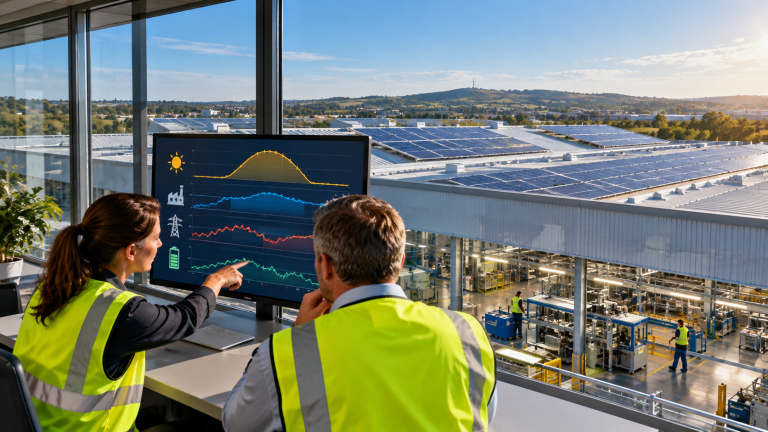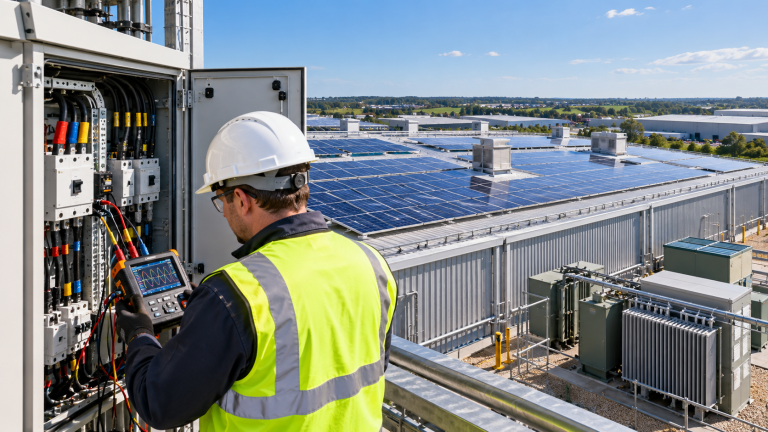

Factories today operate in an environment of constant uncertainty – energy price volatility, supply chain disruptions, equipment failures, extreme weather, cyber attacks, and fluctuating market conditions.
Any of these can disrupt operations and severely impact production output.
This is where ISO 22301, the global standard for Business Continuity Management Systems (BCMS), becomes a strategic asset for manufacturers. While it’s not an energy standard on the surface, ISO 22301 directly strengthens how factories manage energy resilience, operational uptime, and long-term stability.
What ISO 22301 Does for Factories
ISO 22301 provides a structured, proactive framework that helps organisations prepare for, respond to, and recover from disruptions.
For factories, this includes:
1. Identifying critical processes and energy-dependent systems
2. Evaluating operational risks and vulnerabilities
3. Building robust response and recovery plans
4. Training teams to handle unexpected events
5. Ensuring continuity of production and essential services
In an industrial environment where every hour of downtime can cost thousands, this is more than risk management – it’s safeguarding profitability.
The Overlooked Energy Link
Modern factories rely heavily on continuous, stable energy to operate machinery, maintain environmental controls, and keep production moving.
ISO 22301 forces factories to think about the question:
“What happens if our energy supply is interrupted?”
This includes:
1. Sudden grid outages
2. Brownouts or voltage instability
3. Spikes in energy prices
4. Failure of key energy-using equipment
5. Supply interruptions from extreme weather
By analysing these risks, factories can design stronger, more resilient systems, improving uptime and operational confidence.
Reducing Dependency on the Grid
One of the most effective continuity measures a factory can implement is reducing its reliance on unpredictable grid energy.
This doesn’t just support ISO 22301 – it strengthens the factory’s long term resilience.
This is where rooftop solar becomes a strategic advantage.
Solar provides:
1. A predictable, stable supply of clean electricity
2. Reduced exposure to grid price volatility
3. Lower operational risk
4. A long term buffer against energy market fluctuations
5. The option to integrate batteries for even greater resilience
When financed through cash-positive asset finance or rental, factories gain all the benefits with no upfront cost, turning resilience planning into a profit generator.
How Solar Supports ISO 22301 Compliance
Solar directly aligns with the standard’s requirements to maintain essential operations and reduce vulnerabilities.
It helps factories:
1. Maintain partial operation during grid issues
2. Reduce the likelihood of energy related disruptions
3. Strengthen business continuity and recovery planning
4. Demonstrate proactive investment in risk reduction
5. Improve stakeholder and supply chain confidence
When combined with ISO 22301’s structured risk management approach, solar becomes part of a powerful, long term resilience strategy.
The Bigger Picture: Competitive Advantage
Customers and supply chains increasingly evaluate suppliers on resilience, reliability, and stability.
Factories certified to ISO 22301 stand out because they:
1. Are better prepared for disruptions
2. Offer consistent delivery performance
3. Minimise downtime
4. Demonstrate strong governance and operational discipline
When energy resilience – including solar – is woven into that framework, the result is a future ready factory that is both efficient and dependable.
The Takeaway
ISO 22301 ensures factories aren’t caught off guard by the unexpected.
It builds a culture of preparedness that protects production, people, and profits.
When combined with rooftop solar, factories gain not just resilience, but long term financial and operational advantages.
❌ Disruptions are inevitable.
✅ Downtime doesn’t have to be.
ISO 22301 and solar give factories the power to stay productive – no matter what comes their way.