
For many factories, water feels like a cheap, abundant resource – until the bills arrive.
Whether it’s heating, cooling, cleaning, mixing, rinsing, or processing, industrial water use is often much higher than managers realise.
And because water systems rely on pumps, heaters, chillers, compressors, and treatment equipment, inefficient water use also drives higher energy consumption.
This is where ISO 46001, the international standard for Water Efficiency Management Systems (WEMS), becomes a powerful asset for manufacturers.
It takes the guesswork out of water management and replaces it with a structured, measurable, and cost saving approach. If ISO 14046 (covered in our last post) helps factories understand their water footprint, ISO 46001 helps them reduce it – permanently.
What ISO 46001 Does for Factories
ISO 46001 provides a full management system designed to improve water efficiency across a factory’s operations.
It includes requirements for:
1. Conducting water audits
2. Identifying significant water uses (SWUs)
3. Tracking baseline consumption
4. Setting reduction targets
5. Monitoring performance
6. Developing water efficiency action plans
7. Embedding continuous improvement
It’s essentially ISO 50001 for water – but with a stronger focus on practical efficiency improvements.
Why Factories Benefit from ISO 46001
Factories that adopt ISO 46001 typically see improvements in three key areas:
1. Lower Water Consumption (Often 10–30%)
By analysing water use properly, factories quickly identify clear opportunities:
A. Cutting unnecessary rinsing cycles
B. Improving cooling tower efficiency
C. Fixing leaks and losses
D. Reducing boiler blowdown
E. Installing low-flow equipment
F. Recovering and reusing process water
G. Optimising wash-down procedures
These changes usually deliver rapid savings.
2. Reduced Energy Use
Water is rarely used alone – it must be heated, chilled, pumped, moved, treated, or pressurised. Every litre saved reduces energy demand.
This means:
A. Lower electricity bills
B. Reduced gas consumption
C. Less strain on pumps and compressors
D. Lower maintenance demand
E. Reduced carbon footprint
ISO 46001’s biggest hidden benefit is that water efficiency leads directly to energy efficiency.
3. Stronger Environmental and Regulatory Performance
Industries such as food, drink, chemicals, electronics, and metals are under growing pressure to demonstrate responsible water management.
ISO 46001 provides:
A. A credible, international benchmark
B. Strong evidence for environmental audits
C. Improved supplier approval prospects
D. Future proofing against stricter regulation
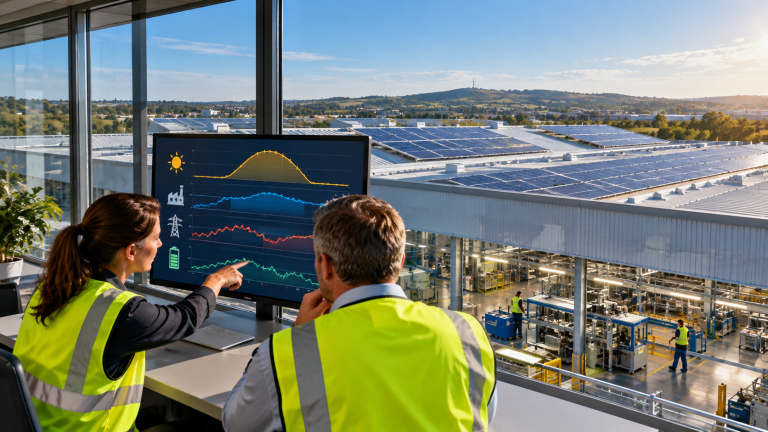
Where Rooftop Solar Fits Into ISO 46001
Factories are often surprised to discover how much energy their water systems consume – from hot water generation to cooling processes and treatment systems.
Rooftop solar directly supports ISO 46001 improvements by:
1. Offsetting electricity used by pumps, chillers, and heaters
2. Reducing operational costs of water treatment
3. Lowering the carbon intensity of water processes
4. Making efficiency improvements even more financially attractive
Solar transforms water efficiency from a cost saving measure into a sustainability multiplier.
And because cash positive solar finance or rental requires no upfront payment, factories can reduce both water and energy costs while preserving capital.
The Takeaway
ISO 46001 gives factories a powerful framework for reducing water waste, lowering costs, and improving sustainability.
It strengthens environmental performance while cutting energy use, operational risk, and unnecessary downtime.
Pair it with rooftop solar, and the factory gains a long term, dual efficiency strategy that delivers measurable improvements, stronger compliance, and immediate financial payback.
1. Use less water.
2. Use less energy.
3. Spend less money.
ISO 46001 and solar make it all possible.