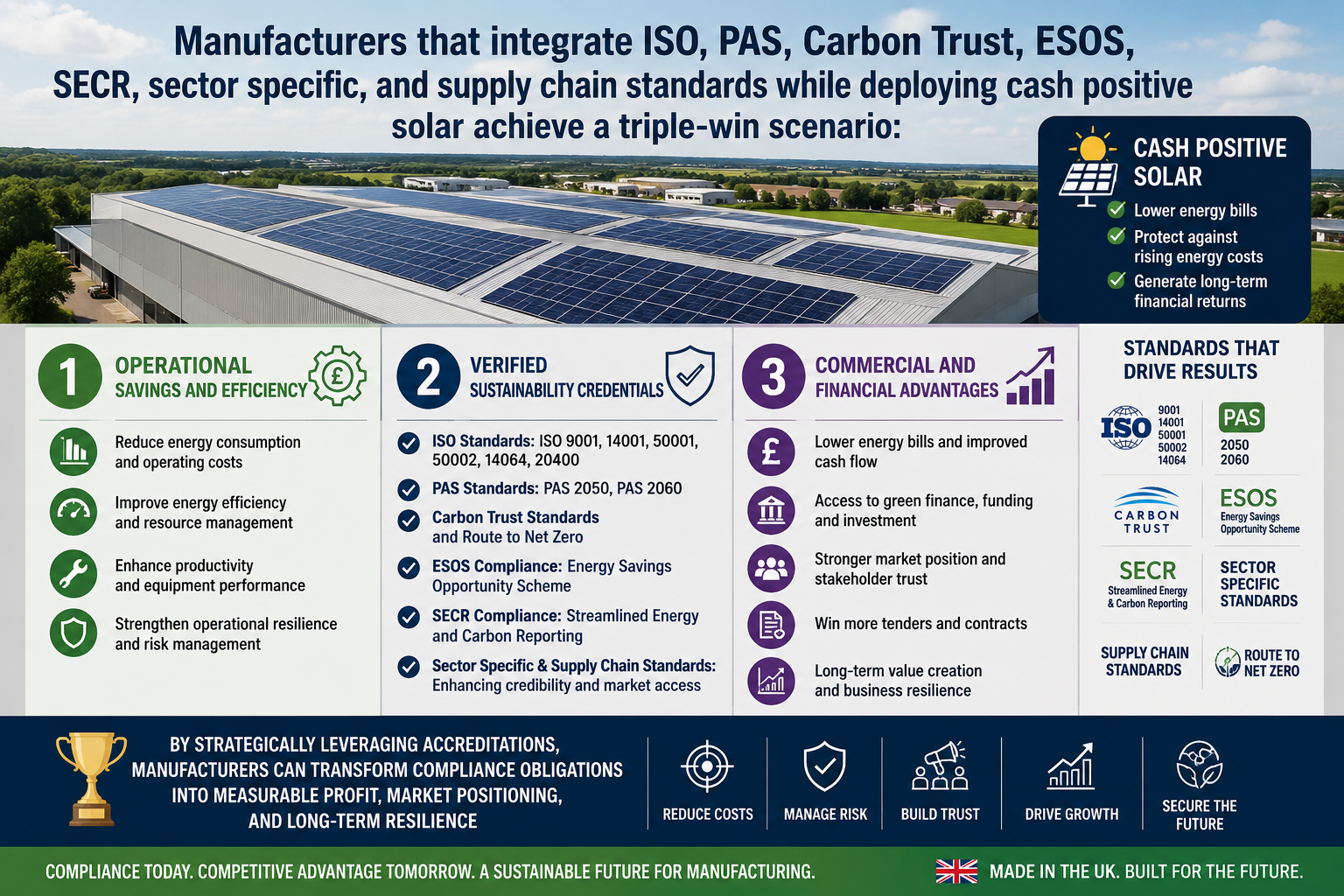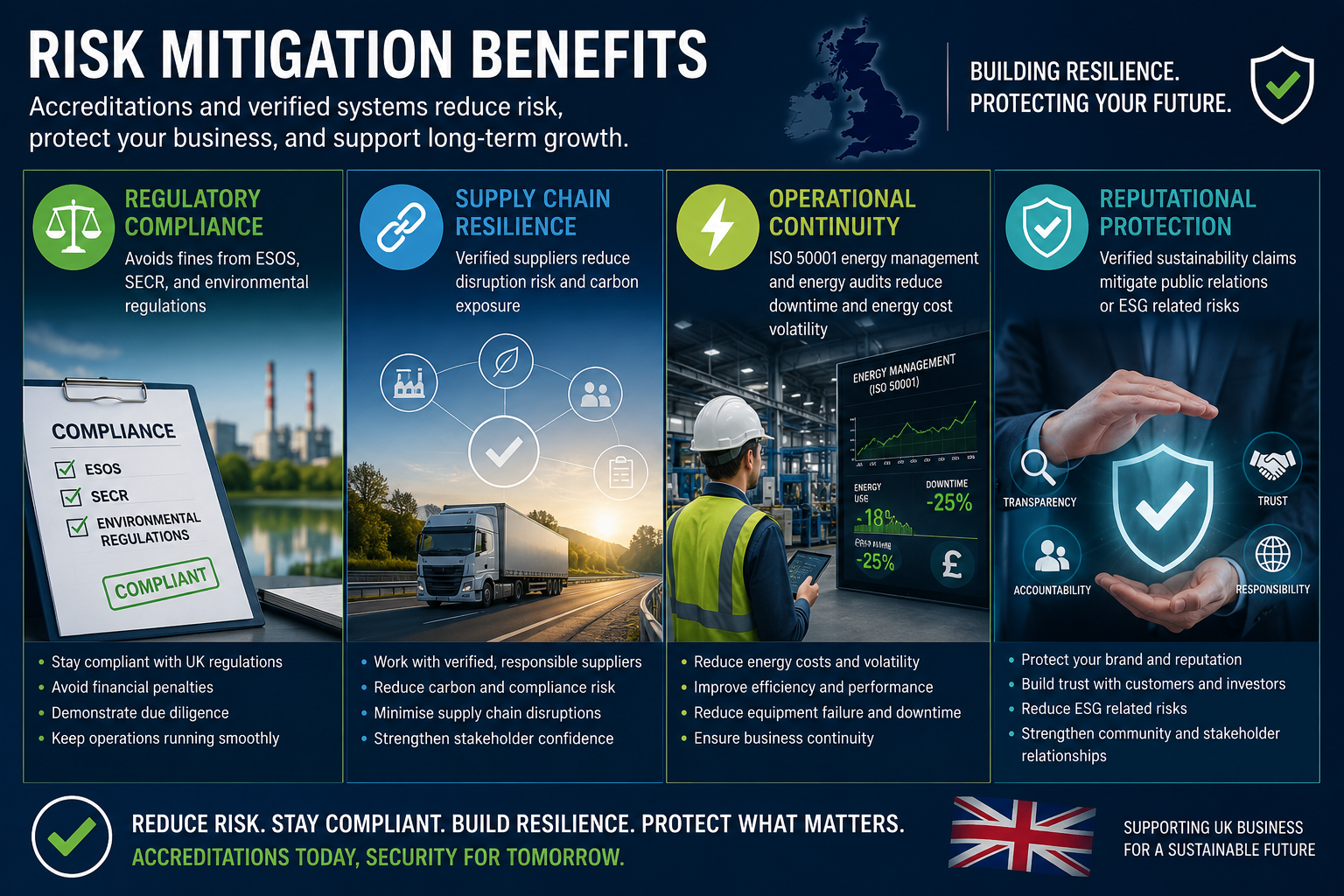

Companies occupying industrial units are in an ideal position to install solar panels on their roofs, and there are 5 key reasons why this can be a profitable and strategic move.
1. Industrial units typically have large, flat or slightly pitched roofs with ample space, making them perfect for the installation of commercial solar systems. Unlike residential buildings, where space can be a limiting factor, industrial roofs can accommodate more panels, allowing businesses to generate lots of electricity.
2. Solar power offers companies a way to significantly reduce their electricity bills. With the rising cost of energy, generating electricity on-site can lead to substantial savings. Once the initial investment is made, solar panels provide free electricity for decades, lowering operational costs. For companies that consume a lot of power, this can be a game-changer, freeing up capital to invest in other areas of the business.
3. Moreover, installing solar panels can help companies gain a competitive edge. Consumers and partners are increasingly favoring businesses that prioritize sustainability. By switching to renewable energy, companies can demonstrate their commitment to reducing their carbon footprint, which can enhance their brand reputation and appeal to eco-conscious clients.
4. Additionally, the UK government offer capital allowance incentives for businesses that invest in plant and machinery, which may make it a financially attractive option.
5. Industrial units often operate during daylight hours when solar panels are at peak efficiency. This means companies can utilise the power they generate in real-time, reducing their reliance on the grid. If the panels produce more energy than needed, businesses can sell the excess back to the grid, creating an additional revenue stream.
In summary, companies occupying industrial units have a unique opportunity to install solar panels on their roofs, benefiting from cost savings, sustainable branding, and even extra income.
This strategic investment not only helps them stay competitive but also contributes positively to the environment.
As energy prices continue to rise (4 – 5% a year on average), businesses that adopt solar power can secure their future energy needs, whilst improving profitability.