The UK’s commitment to net zero greenhouse gas emissions by 2050 is reshaping industrial operations nationwide.
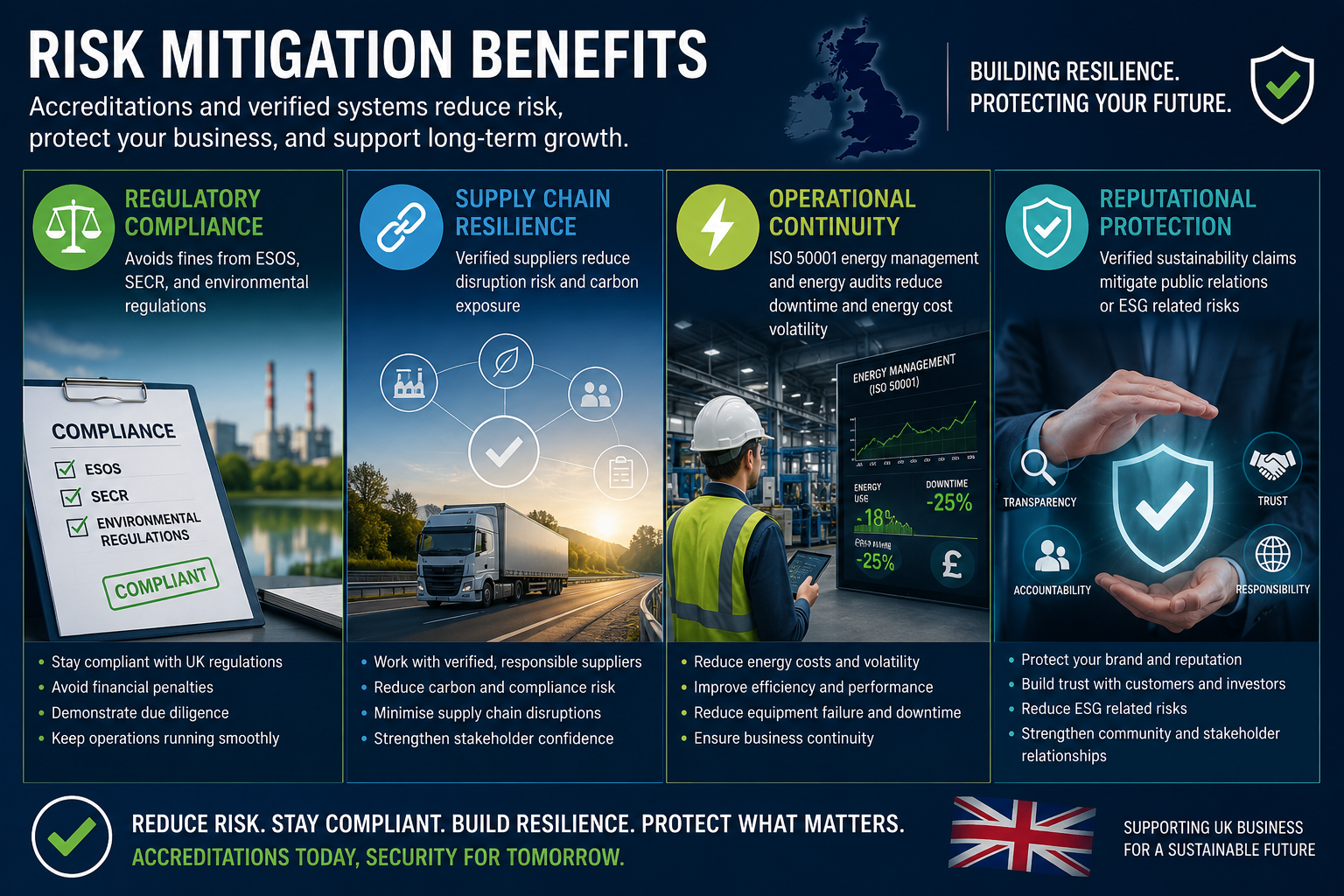
For factory owners, achieving net-zero isn’t just about compliance – it’s a strategic opportunity to increase profits, improve efficiency, and enhance brand value.
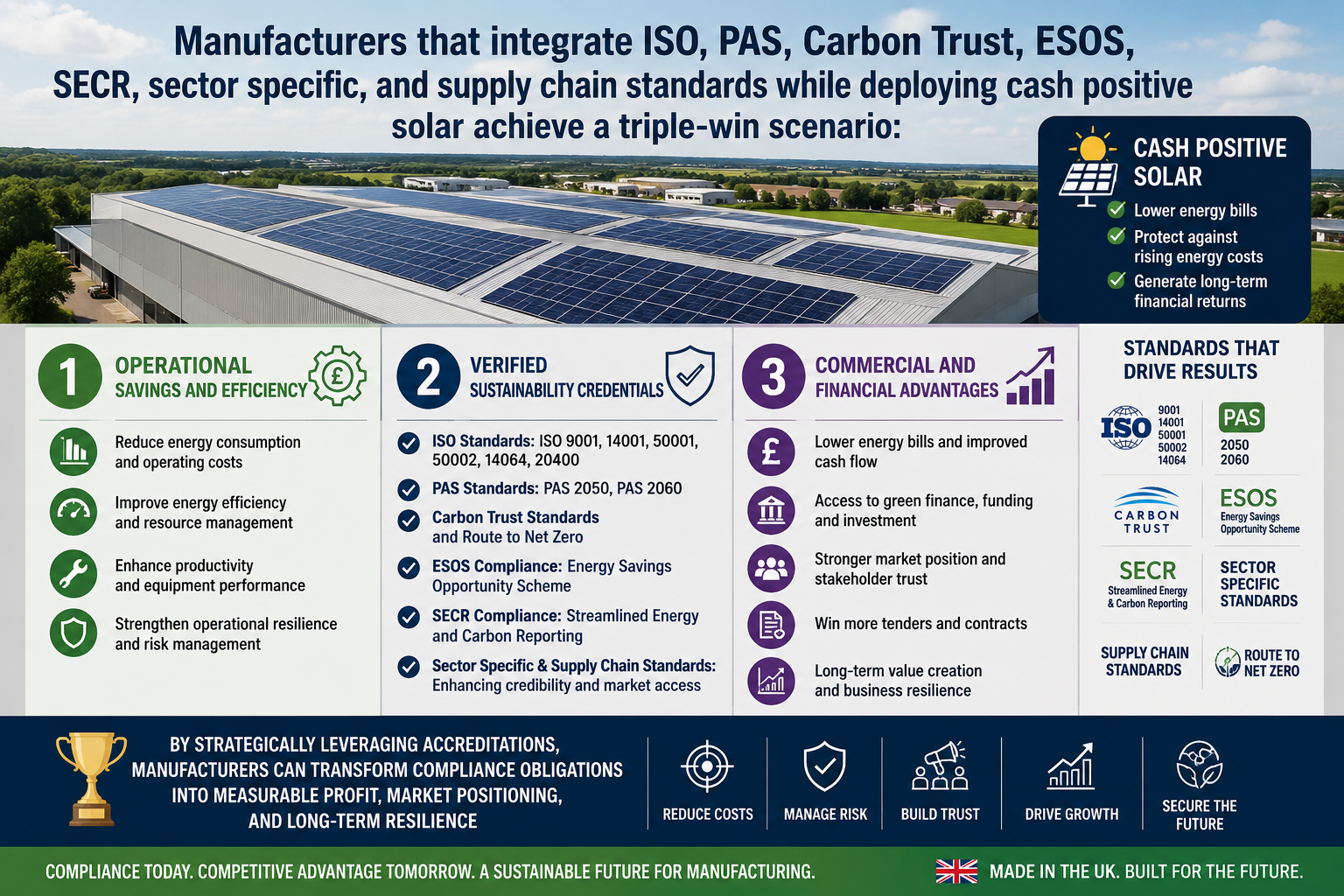
Solar energy, combined with battery storage, is a cornerstone technology that can drive your factory’s decarbonisation journey.
This post outlines practical steps UK factories can take to leverage solar and storage on the road to net zero manufacturing.
1. Understanding Net Zero in Manufacturing
It means balancing the amount of greenhouse gases emitted with the amount removed or offset, resulting in no net increase in atmospheric emissions.
For factories, this involves:
✅ Reducing direct emissions from on-site fuel use
✅ Cutting indirect emissions from purchased electricity
✅ Investing in carbon removal or offsets for remaining emissions
Solar power directly tackles the second point by generating clean electricity on-site, reducing reliance on grid power.
2. Why Solar is Essential for Factories
Solar energy delivers several net zero benefits:
✅ Zero carbon emissions during generation
✅ Cost-effective electricity that shields your factory from volatile energy prices
✅ Supports energy independence and resilience
✅ Significantly increases profits
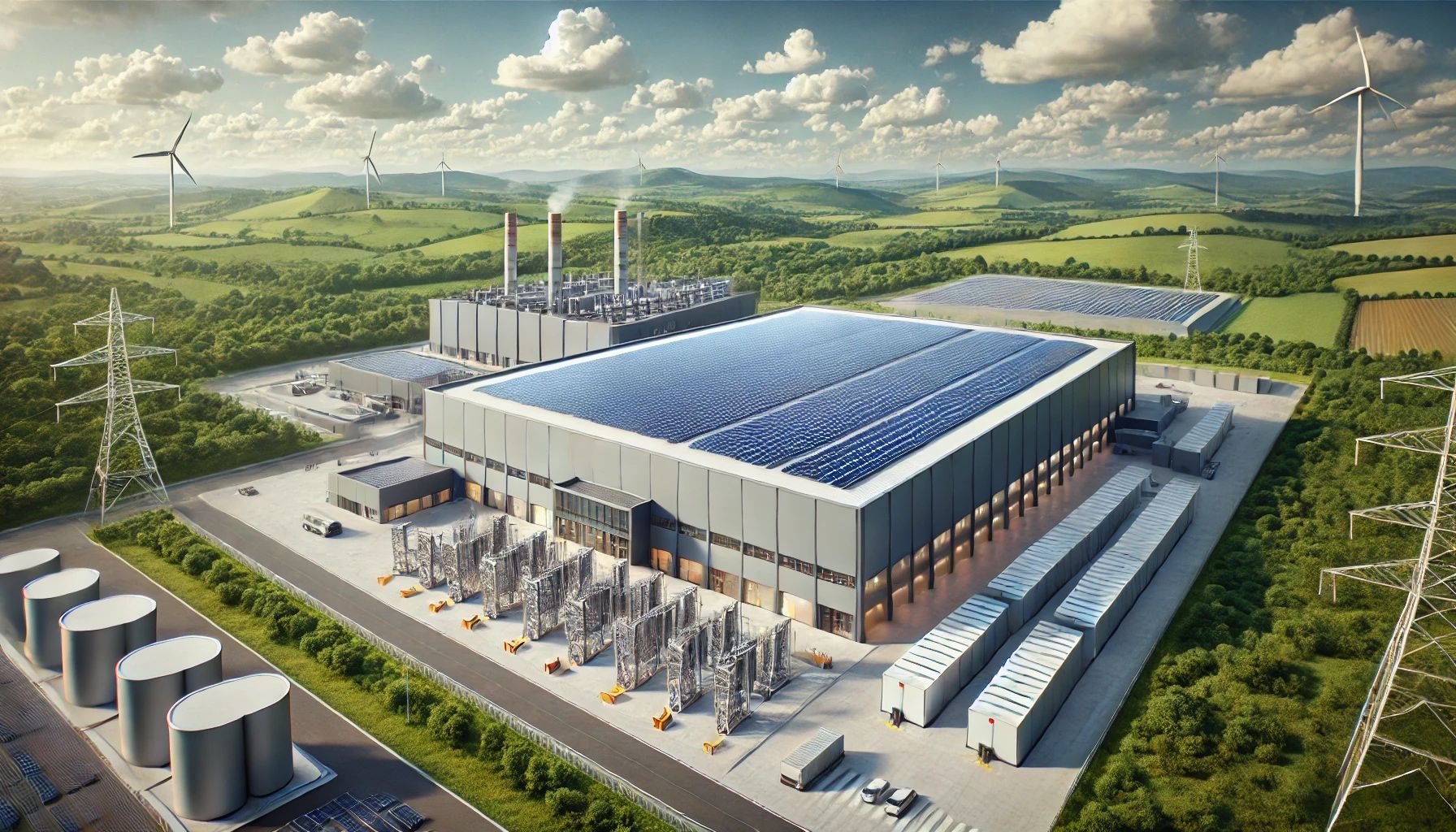
Many UK factories have large rooftop or ground space suitable for solar arrays, making installation feasible and impactful.
3. Role of Battery Storage
Battery storage enhances net-zero strategies by:
✅ Storing excess solar power generated during daylight for use after sunset
✅ Managing peak demand to reduce grid dependency and costs
✅ Providing backup power for critical operations, improving resilience
Together, solar and batteries help smooth energy supply, enabling higher self-consumption and reduced carbon footprints.
4. Integrating Solar and Storage into Factory Operations
Effective integration involves:
✅ Conducting a detailed energy audit to map consumption patterns
✅ Designing solar and storage systems to meet your specific load profile
✅ Implementing smart energy management systems for real-time monitoring and optimisation
✅ Coordinating with grid operators and complying with UK energy regulations
5. Beyond Technology: Cultural and Strategic Shifts
Achieving net-zero is not just about technology but requires:
✅ Setting clear net-zero targets aligned with business goals
✅ Engaging leadership and staff in sustainability initiatives
✅ Collaborating with suppliers and customers on emissions reductions
Solar adoption can be a visible, motivating milestone in this journey.
Conclusion…
For UK factories, solar and battery storage are powerful tools to reduce carbon emissions, manage energy costs, and demonstrate leadership in sustainability.
By adopting these technologies and embedding net-zero thinking in operations, your factory can meet regulatory demands and thrive in a low-carbon economy.
And it’s possible to do, with an immediate cash positive solution.