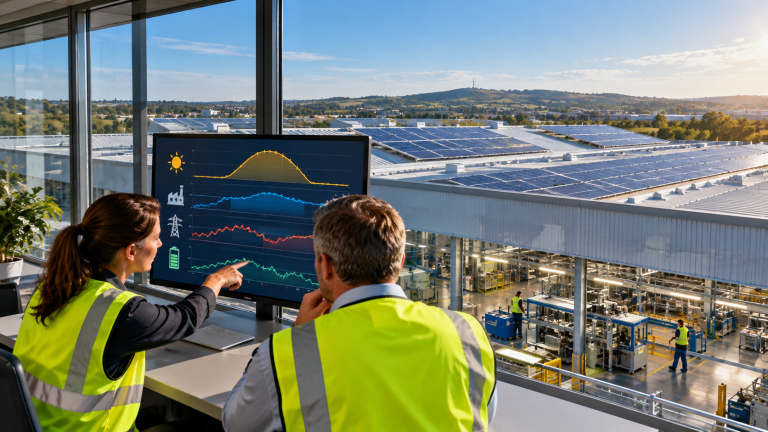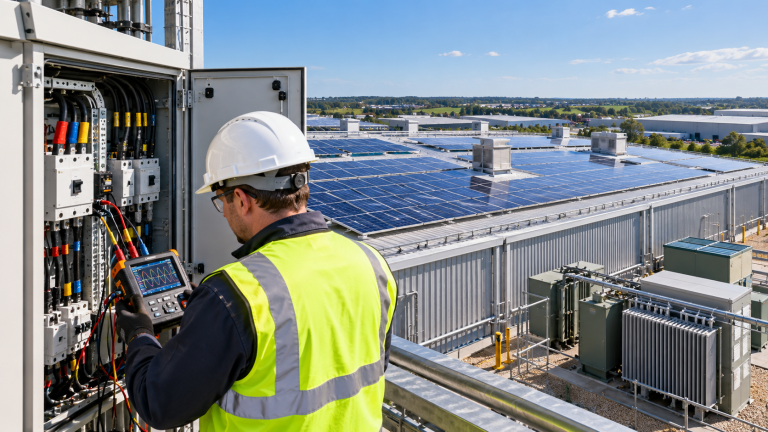

As industrial electricity costs continue to rise, factories and other high-energy users are increasingly turning to solar power to control expenses and reduce carbon footprints.
One popular approach is entering into a 25-year solar system rental agreement – a long-term contract where a third-party provider installs, owns, and maintains solar panels on-site, and the factory pays a monthly fee for the electricity generated. This model offers a mix of financial predictability and sustainability benefits, but it also comes with specific risks and trade-offs.
Here’s a closer look at the pros, cons, and ideal use cases for these agreements:
Pro’s…
1. No Upfront Capital Costs
Factories typically require large-scale solar installations to match their energy demands. A solar system rental agreement eliminates the need for heavy upfront investment, allowing businesses to shift capital toward production, R&D, or expansion.
2. Predictable Long-Term Energy Costs
These contracts often lock in electricity rates or set predictable escalations. This shields factories from future utility price hikes and allows for better long-term financial planning.
3. Reduced Operational Risks
Since the provider owns and maintains the system, the factory avoids maintenance costs, system monitoring, and performance risk. The provider has a strong incentive to ensure optimal energy output.
4. Sustainability and ESG Benefits
Adopting solar energy under a rental model supports environmental goals and can help meet regulatory or voluntary ESG (Environmental, Social, Governance) standards. This can improve brand reputation and investor interest.
5. Grid Independence & Backup Options
Depending on the design, solar installations can be paired with batteries to offer backup power. This is especially valuable in regions with unreliable grid infrastructure or frequent outages.
Con’s…
1. Long-Term Commitment
Twenty-five years is a significant duration. Factories must carefully consider long-term site plans, as relocating or renegotiating the agreement can be complex and costly.
2. Less Financial Benefit v Ownership
Over time, buying and owning (either cash or immediate cash positive asset finance) a solar system (especially with tax incentives) will offer a higher return on investment. A rental agreement will result in a higher total cost over 25 years.
3. Constraints on System Customisation
The third-party owner typically decides on panel type, layout, and system specs. This may not always align with a factory’s aesthetic or future operational needs.
4. Regulatory & Contractual Complexity
Solar system rental agreements involve complex legal terms. Poorly drafted agreements can lead to disputes over land use rights, maintenance responsibilities, or end-of-term obligations.
Ideal situations for rental…
High Energy-Use Manufacturing Plants: Steel, textile, cement, and automotive plants with large rooftops or open land benefit most from the scale and predictability.
Factories with Limited Access to Capital: Firms that can’t afford high capital expenditures but want to reduce energy costs and go green.
Leased Facilities: Businesses operating on leased land or buildings may prefer rentals to avoid permanent infrastructure investments.
Rapidly Expanding Enterprises: Growing businesses may want to conserve capital while securing energy stability for new or scaled-up operations.
In conclusion…
A 25-year solar system rental agreement can be a strategic solution for factories aiming to reduce energy costs and achieve sustainability goals without the financial burden of ownership.
However, it’s essential to evaluate the long-term financial and operational implications, structure the contract carefully, and match the solution to the factory’s specific energy profile and growth plans.