In the East Midlands, a large plastics and packaging manufacturer was grappling with spiralling electricity costs.
Producing high volumes of moulded packaging for the food and pharmaceutical industries required heavy duty extrusion machines, moulding presses, and climate-controlled storage areas.
By early 2024, monthly electricity costs had climbed to £25,000, eating into margins in a sector already under pressure from global competition and fluctuating resin prices.
The finance director admitted:
“We were running faster just to stand still. Efficiency upgrades gave us small gains, but they couldn’t offset the sheer scale of energy price rises.”
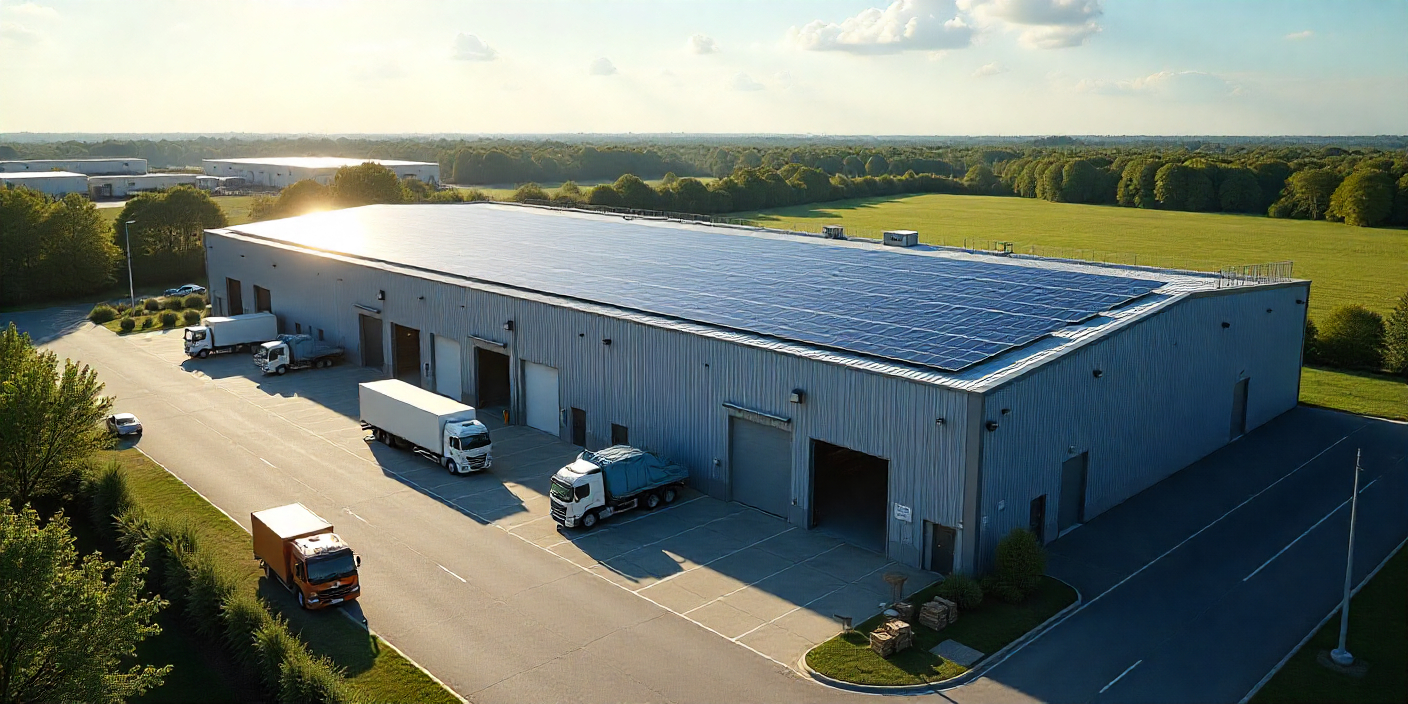
During a strategic review, attention turned to the factory’s vast flat roof.
It was large enough to accommodate a solar system capable of offsetting the majority of daytime consumption.
The sticking point was cost.
A system of this size required a six-figure investment that the business was unwilling to tie up, especially given the need for flexibility in raw material purchasing.
Asset finance proved to be the game-changer.
By structuring the project through a financing plan, the company avoided any upfront capital expense.
Instead, the repayments were set below what they were already paying for grid electricity.
‘This meant the project was immediately cash-positive from the first day of generation.’
Installation took less than 12 weeks, with minimal disruption to operations.
Once live, the rooftop solar system supplied over 60% of the factory’s electricity needs during production hours.
Grid dependence fell sharply, and monthly bills dropped to around £10,000, with finance repayments of just £12,000.
The net effect was a saving of £3,000 every month on their electricity costs – until the finance was settled – then increasing to £15,000 in monthly savings thereafter.
Over 25 years, the company is set to save over £4 million (extra profit), while also avoiding more than 900 tonnes of CO₂ emissions.
For a packaging supplier under scrutiny from eco-conscious FMCG and pharmaceutical clients, this sustainability investment has already proven decisive.
Shortly after installation, the company won a new long-term contract with a global food brand.
The client specifically cited the supplier’s reduced carbon footprint and commitment to renewable energy as part of its supplier selection criteria.
The managing director reflected:
“Solar didn’t just cut costs. It opened doors. Customers want greener suppliers, and now we can prove we are one.”
The benefits have also spilled into recruitment and retention.
Employees – particularly younger engineers and designers – have responded positively to the company’s sustainability push, taking pride in working for a business leading the shift towards greener manufacturing.
For finance directors in plastics and packaging, the message is clear:
‘Solar is not only a cost-saving measure but a strategic lever for growth.’