B Corp certification is entirely voluntary for all factories.
Yet, more and more factories are pursuing it. Why?
Because B Corp certification is more than a badge; it’s a public statement that a company is committed to balancing profit with purpose, and factories are increasingly recognising the value of that message.
So what exactly is a B Corp audit?
Unlike ESOS, it isn’t a single, standardised energy audit.
Instead, it forms part of the B Impact Assessment (BIA) – a rigorous review carried out by B Lab, the non-profit organisation behind the B Corp movement.
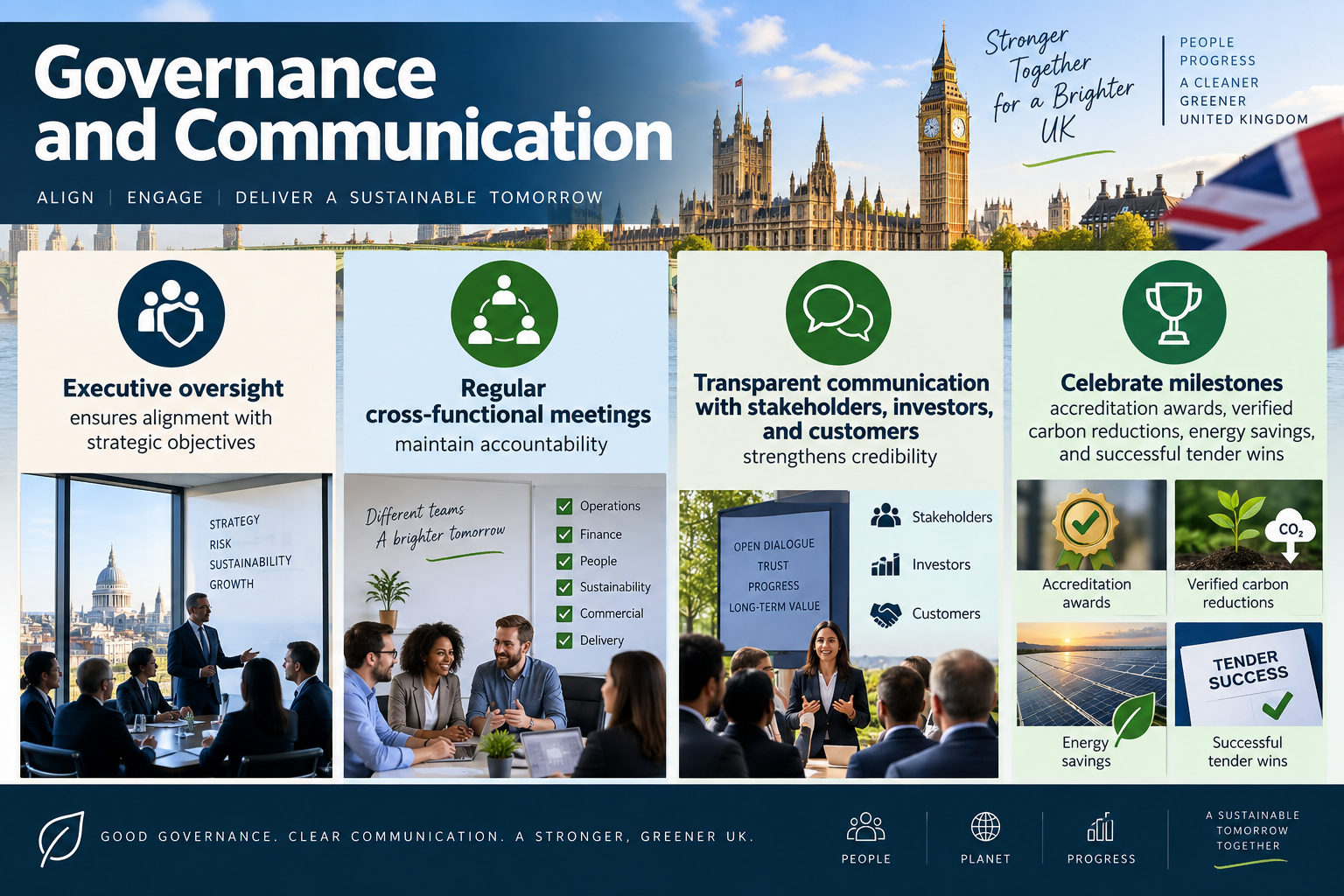
The BIA measures performance across five categories:
1️⃣ Governance – transparency, accountability, ethics
2️⃣ Workers – employee well-being, engagement, and development
3️⃣ Community – diversity, supply chain impact, local engagement
4️⃣ Environment – energy use, carbon footprint, renewables, waste reduction
5️⃣ Customers – value delivered and responsible products/services
The “audit” element for factories often sits within the Environment section.
Here, businesses must provide evidence of their energy use, carbon emissions, and strategies for reducing their footprint.
Unlike ESOS, which focuses on kWh and cost-effective savings, B Corp looks at the bigger picture – how your energy practices align with long-term sustainability goals.
For factories, the environmental element can be especially influential.
A B Corp aligned audit might assess:
✅ How much electricity comes from renewables
✅ Whether on-site solar is installed
✅ If you’ve set carbon neutrality targets
✅ How you engage suppliers to improve sustainability
The outcomes of this process are powerful. Becoming a B Corp signals to employees, customers, investors, and communities that your factory is forward-thinking, responsible, and part of a global movement of businesses committed to doing better.
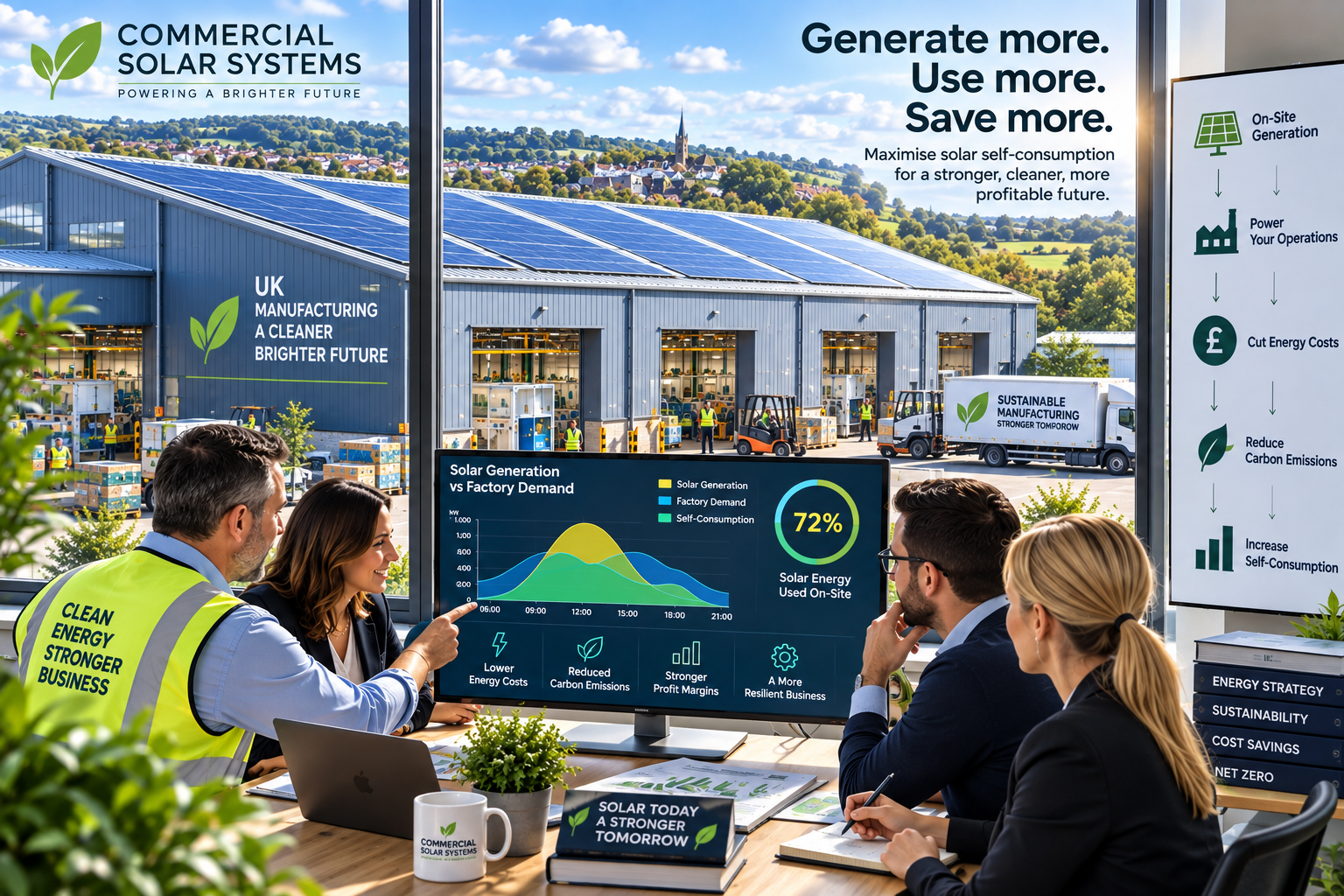
Crucially, the link to rooftop solar is direct…
Installing solar panels strengthens your B Impact Assessment score by cutting Scope 2 emissions, boosting renewable energy usage, and aligning your operations with climate-positive goals.
And because solar can be financed in a way that creates immediate positive cashflow, you’re not choosing between profitability and sustainability – you’re achieving both.
For factories, B Corp certification isn’t about compliance – it’s about competitive positioning
It’s a way to stand out in supply chains, attract environmentally conscious customers, and demonstrate resilience in a market that increasingly values sustainability.
In short, while ESOS tells you where you can save energy, a B Corp audit challenges you to show how you are part of the wider solution to climate change and social impact.
For manufacturers, the combination of reduced costs, stronger reputation, and purpose driven growth makes it an opportunity worth exploring.