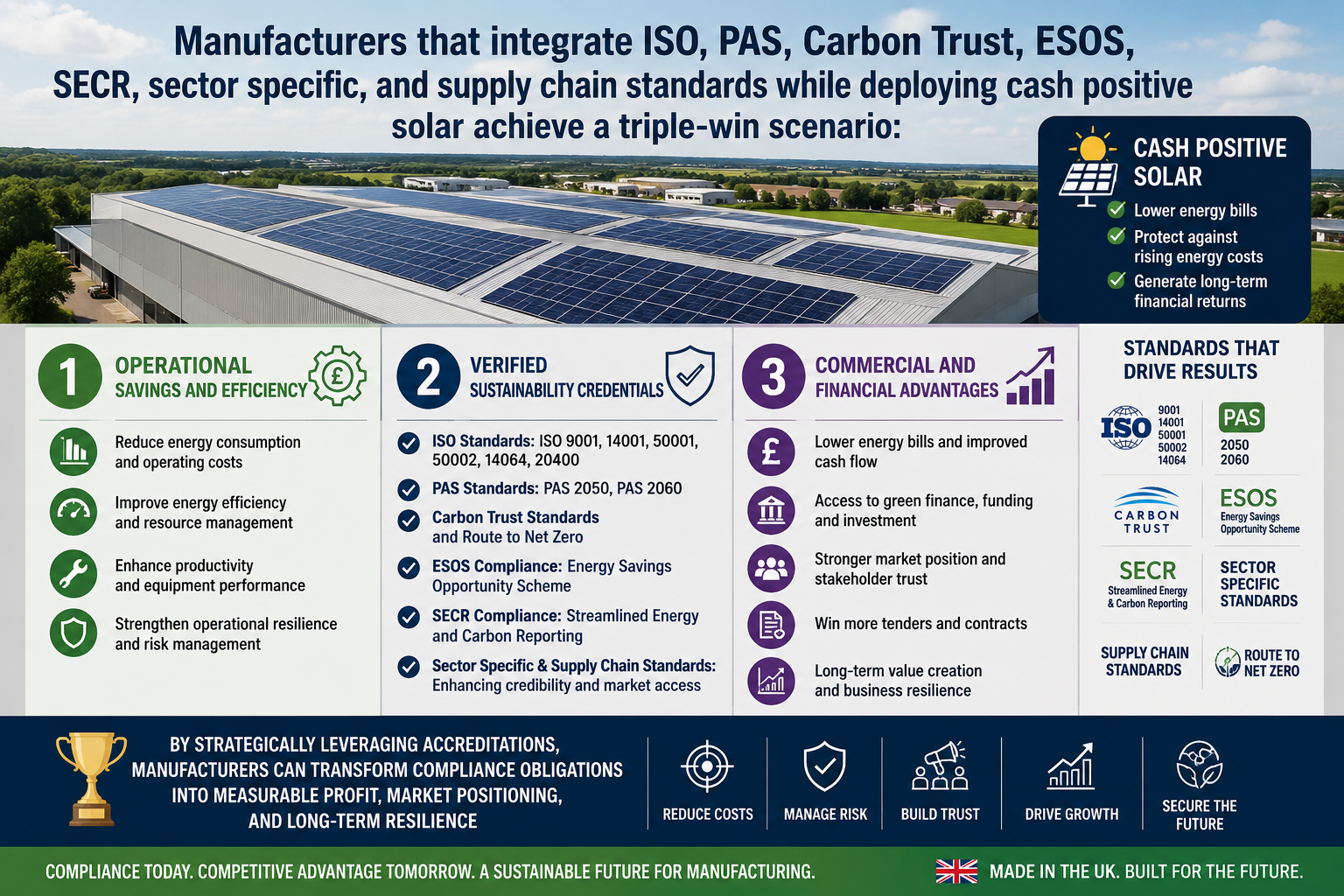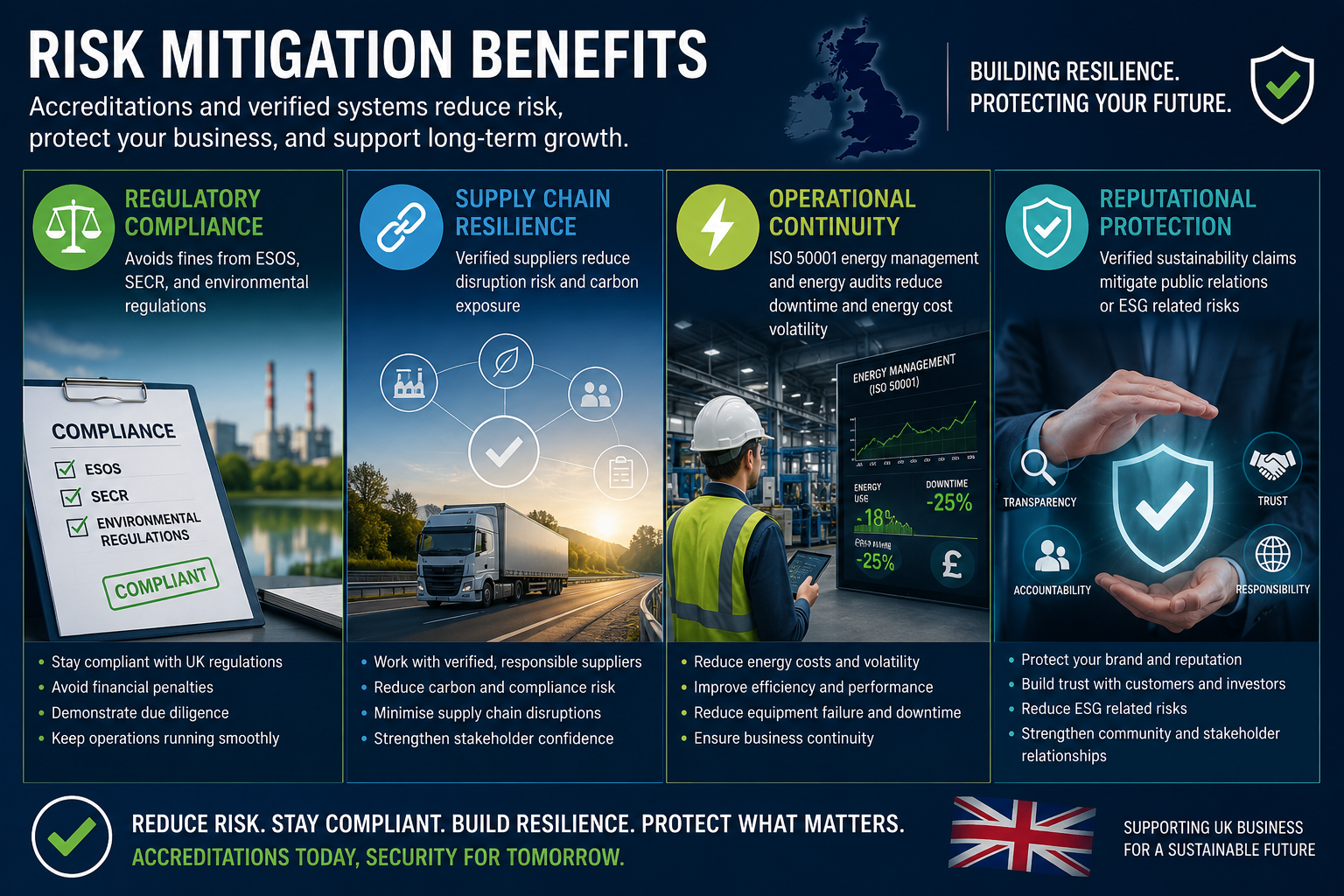
One of the most important themes of our new book is the direct link between energy, carbon and accreditation success.
In simple terms:
1. Energy use drives cost
2. Energy use drives carbon emissions
3. Carbon emissions increasingly drive compliance, disclosure and purchasing decisions
Most of the accreditations covered in the book – whether they explicitly reference carbon or not – are influenced by:
1. How much energy you consume
2. How efficiently you consume it
3. How well you measure & manage it
4. How quickly you are reducing reliance on grid electricity
This is why energy focused standards (such as ISO 50001 and ESOS) sit at the heart of modern accreditation strategies, and why on-site generation such as solar power has become a strategic asset, not just an engineering decision.
A common fear among manufacturers is that accreditations:
1. Add bureaucracy
2. Increase audit pressure
3. Divert management time
4. Cost money without clear return
When approached incorrectly, this can be true.
However, when accreditations are implemented with:
1. Clear commercial intent
2. Proper integration with energy strategy
3. Alignment to operational priorities
They become profit levers rather than compliance burdens.
Throughout the book, you’ll see how:
1. Energy and carbon accreditations reveal hidden cost savings
2. Structured management systems reduce waste and downtime
3. Certification strengthens the business case for capital investment
4. Well chosen accreditations pay for themselves many times over
This is particularly powerful when accreditations are combined with immediate cash positive energy solutions – such as financed solar installations – which reduce costs from day one while simultaneously strengthening audit evidence.
Why this book covers both ISO standards and UK schemes?
Many manufacturers struggle because the accreditation landscape feels fragmented:
1. ISO standards sit alongside UK specific schemes
2. Voluntary certifications overlap with mandatory reporting
3. Different auditors ask for similar but not identical evidence
This book intentionally brings together:
1. International ISO standards (quality, environment, energy, carbon)
2. UK regulatory schemes (such as ESOS and SECR)
3. Independent verification frameworks (such as Carbon Trust standards)
By covering them together, this book helps you:
1. Understand how schemes overlap and reinforce each other
2. Avoid duplicate effort and unnecessary audits
3. Build a single evidence base that supports multiple accreditations
4. Create a joined-up strategy rather than isolated compliance projects
Later in the chapters, we explicitly show how one investment or process change can support multiple accreditations at once.
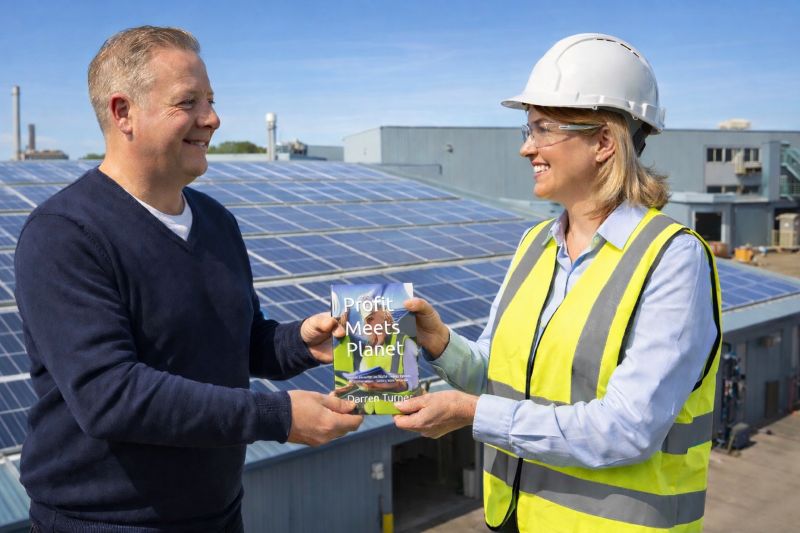
Own or help operate a factory?
Contact us and ask for a complementary copy of the book, or look up – Darren Turner – on Amazon and get one delivered fast and free with Prime.